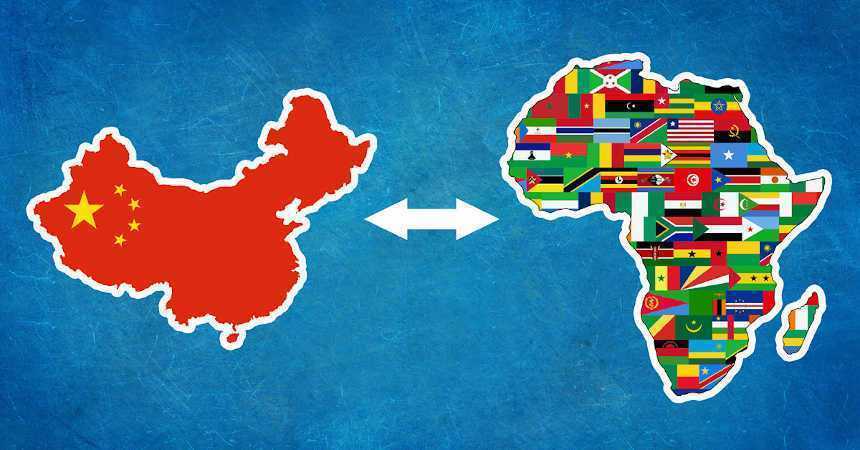
Johannesburg – Western nations are intensifying their focus on Africa as China deepens its economic presence through large-scale infrastructure investments under the Belt and Road Initiative (BRI). The TAZARA railway upgrade, a $1 billion Chinese-backed project connecting Zambia’s copper mines to Tanzania’s coast, symbolizes China’s strategy of securing natural resources while expanding its influence.
At FOCAC 2024, President Xi Jinping announced 30 new clean energy projects alongside vocational training programs for 60,000 Africans, reinforcing China’s commitment to sustainable development and long-term partnerships.
In response, the Lobito Corridor, backed by the G7, aims to connect Angola, the Democratic Republic of Congo, and Zambia to international markets, showcasing the West’s renewed interest in Africa’s infrastructure and trade routes.
This competition highlights the strategic importance of Africa’s resources and logistical networks, as both China and the West race to position themselves as preferred partners in the region. African countries welcome this rivalry, leveraging it to secure investments that drive industrialization, boost employment, and foster trade.
Despite criticism from some Western actors regarding China’s governance model, African leaders remain pragmatic. Cyril Ramaphosa, president of South Africa, has successfully negotiated greater market access for South African agriculture in China and invited BYD, a leading Chinese electric vehicle company, to establish operations in South Africa. With both China and the West offering competing visions for Africa’s development, the continent is capitalizing on these strategic tensions to modernize infrastructure, expand education, and accelerate economic growth.