OHUASI Investments looks to London to connect global capital with Angola’s next growth phase
- AngolaBusiness and Networking
- August 4, 2026

Participation in the Angola–UK Trade & Investment Forum 2026 underscores the growing ambition of Angolan asset managers to position the capital market at the heart of the country’s economic diversification strategy.
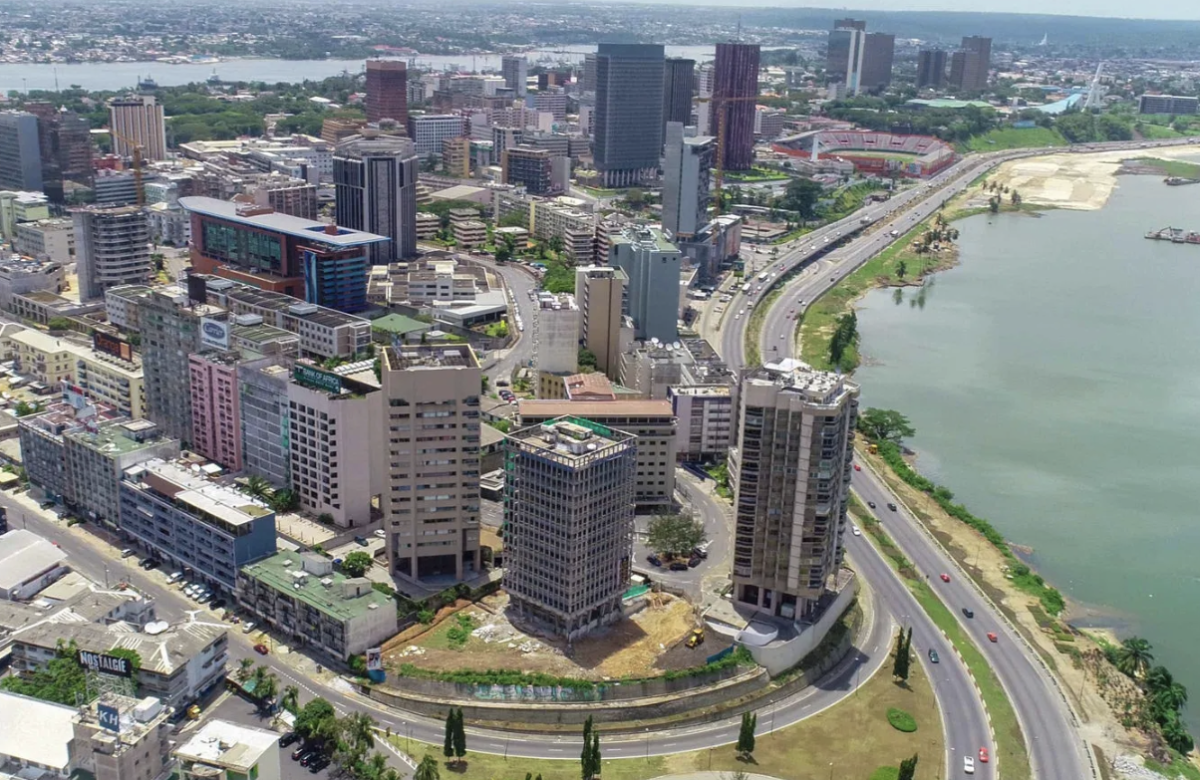
JOHANNESBURG — For decades, the relationship between international investors and Angola was defined by a single asset: oil. That narrative is now beginning to shift. Following years of macroeconomic stabilisation, regulatory reform and structural economic changes, Africa’s second-largest crude producer is seeking to persuade global investors that its next phase of growth will depend less on natural resources and more on its ability to mobilise private capital to finance the real economy.
It is within this changing landscape that specialised financial institutions are assuming an increasingly strategic role.
Among them is OHUASI Investments SGOIC S.A., an Angolan investment fund management company licensed by the Capital Markets Commission (CMC), which will participate in the Angola–UK Trade & Investment Forum 2026, to be held in London on 8–9 September.
The forum has established itself as one of the leading bilateral investment platforms between Angola and the United Kingdom, bringing together senior government officials, institutional investors, investment banks, multilateral development institutions, sovereign wealth funds, asset managers and multinational corporations to explore emerging opportunities across the Angolan economy.
OHUASI’s participation comes at a time when Angola is seeking to build a more diversified financial architecture capable of complementing the traditional role of commercial banks. While the banking sector remains the country’s primary source of corporate financing, policymakers have increasingly promoted the development of the capital market as a mechanism to mobilise long-term savings, diversify funding sources and support productive investment.
The shift mirrors a broader trend across Africa, where investment funds, private capital and debt markets are playing an increasingly important role in financing infrastructure, energy, agriculture, manufacturing, logistics and technology.
Against this backdrop, OHUASI is positioning itself as a bridge between institutional investors and structured investment opportunities in Angola.
Its business model combines investment fund management, fund structuring, securities distribution, capital raising, corporate advisory and the development of strategic partnerships between domestic and international investors.
The objective is to contribute to a deeper, more liquid and increasingly sophisticated financial market capable of supporting the funding requirements of an economy undergoing structural transformation.
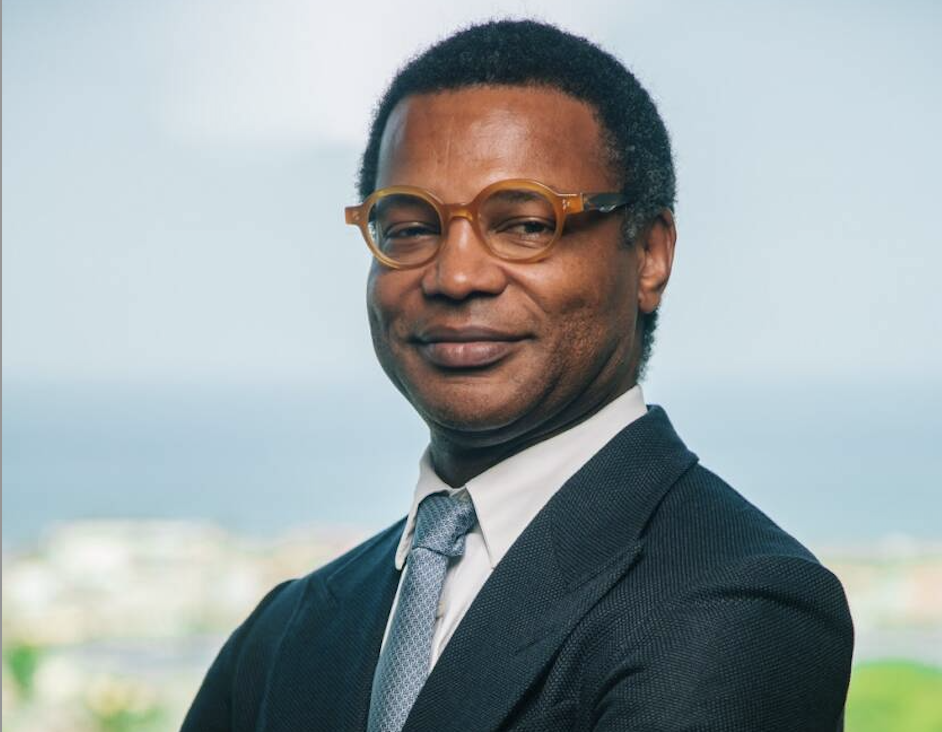
That vision has been driven by the company’s founder and Chief Executive Officer, Augusto Baptista, whose strategy focuses on connecting Angola’s capital market with leading international financial centres while developing investment vehicles capable of attracting institutional capital into sectors regarded as central to the country’s long-term diversification agenda.
Over recent years, Angola has made notable progress in restoring macroeconomic stability. Inflation has moderated considerably, fiscal consolidation has strengthened investor confidence, international reserves have stabilised and the non-oil economy has become an increasingly important driver of overall GDP growth.
Further reading
“How Angola Pulled It Off” is a documentary that examines, in depth, the building of a second major growth engine for Angola’s economy: the non-oil sector. The film traces a transformation driven by the principal economic reforms and policies of President João Lourenço’s government, under the economic coordination of José de Lima Massano, showing how Angola is working to reduce its historic dependence on oil and broaden its productive base.
In the first quarter of 2026, the non-oil sector grew 6.22%, while oil production logged its fifth consecutive quarter of contraction. Explore the full report
At the same time, the government’s privatisation programme, continued economic liberalisation, strengthening of the financial regulatory framework and investment in transport and logistics infrastructure have contributed to improving international perceptions of Angola’s investment climate.
Even so, economists argue that the country’s greatest challenge over the coming decade will be its ability to transform savings into productive investment.
This is precisely where capital markets are expected to play a pivotal role.
Across emerging economies, deeper financial markets reduce dependence on bank lending, improve corporate access to liquidity, facilitate bond issuance, support innovative businesses and provide specialised investment vehicles capable of financing strategic sectors.
For international investors, such structures also offer greater portfolio diversification and access to investment opportunities that were previously unavailable.
The 2026 Angola–UK Trade & Investment Forum is expected to bring together representatives from the governments of Angola and the United Kingdom, development finance institutions, international banks, insurers, asset managers, stock exchanges and companies active across sectors including energy, mining, agriculture, logistics, digital technologies, infrastructure and financial services.
For OHUASI, the forum represents considerably more than a business development opportunity.
The company intends to present a different narrative about Angola, one in which the country evolves from being primarily a destination for foreign investment into a financial marketplace capable of structuring sophisticated investment solutions and channeling long-term capital towards sectors with high growth potential.
Alongside its participation in London, the firm is implementing an international strategic communications programme designed to strengthen its profile among the global investment community through executive interviews, specialist editorial content, digital campaigns and partnerships with leading international media organisations.
In today’s financial markets, reputation, transparency and the quality of information have become assets almost as valuable as economic fundamentals themselves.
The ability to communicate investment opportunities with technical rigour and institutional credibility increasingly shapes how global investors assess both opportunity and risk.
It is at the intersection of finance, strategic communications and economic development that OHUASI seeks to establish its international positioning.
In the view of Augusto Baptista, strengthening Angola’s asset management industry will be fundamental to the country’s next stage of financial development, helping channel international capital into projects capable of accelerating industrialisation, supporting private-sector innovation and reinforcing economic diversification.
If the structural reforms launched over recent years continue to deepen Angola’s capital markets and strengthen investor confidence, London may represent far more than another international investment forum.
It could mark a symbolic moment in which Angola moves beyond presenting investment opportunities and begins offering a financial platform capable of transforming those opportunities into structured investment assets for global institutional capital.
In that transition, institutions such as OHUASI could play an increasingly significant role in integrating Angola into international capital flows, contributing to a more competitive, diversified and resilient economy that is less dependent on the cyclical nature of commodity markets.