Cyril Ramaphosa Puts BRICS Pay at Centre of Push for Global Payment Alternatives
- Economic
- September 16, 2026
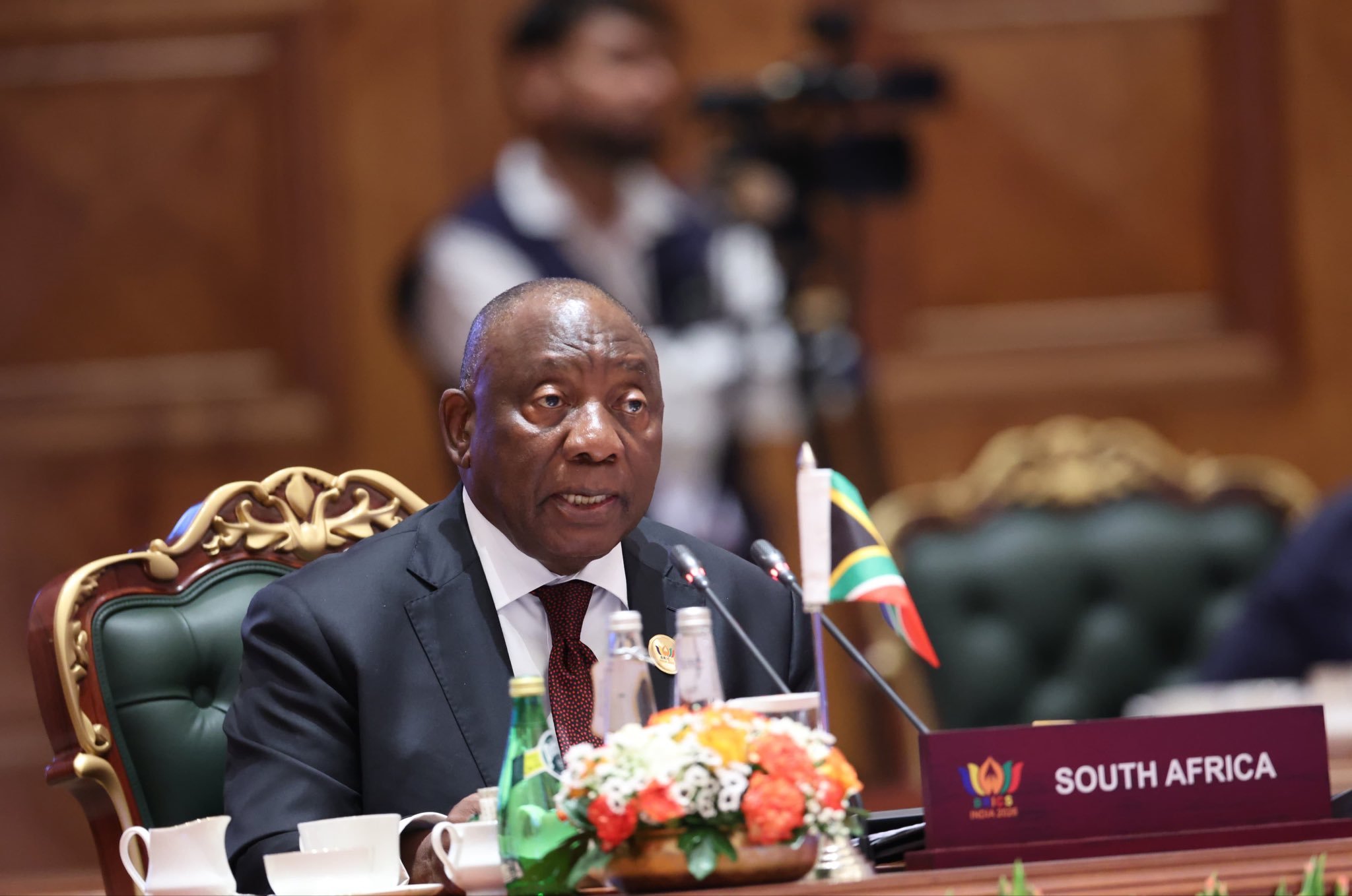

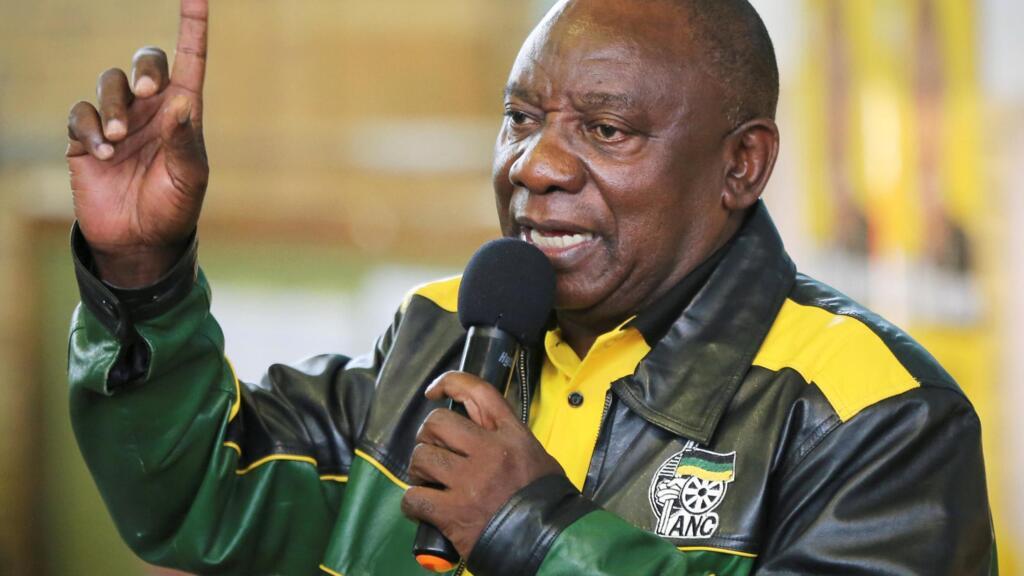
NEW DELHI — South African President Cyril Ramaphosa has highlighted the development of BRICS payment infrastructure as part of the bloc’s broader effort to expand cross-border payments and reduce transaction frictions between emerging-market economies.
The initiative has gained prominence during India’s BRICS presidency, as member countries seek greater interoperability between national payment systems and wider use of local currencies in trade and investment.
BRICS Pay is not, however, a fully operational alternative to the Society for Worldwide Interbank Financial Telecommunication, or SWIFT. The initiative is focused on improving connections between existing national payment and financial-messaging systems rather than creating a single BRICS currency or immediately replacing SWIFT.
That distinction is important. SWIFT connects more than 11,500 financial institutions across more than 200 countries and territories, giving the network a level of international reach that BRICS payment initiatives have yet to match.
The potential scale of the project is nevertheless significant. India’s Unified Payments Interface (UPI) and Brazil’s Pixhave become two of the world’s largest instant-payment systems, demonstrating that high-volume digital payments can operate at national scale.
UPI alone has more than 550 million registered users, while Pix has more than 170 million users. Their growth provides the BRICS with established domestic infrastructure that could, if successfully connected, form part of a broader cross-border payments network.
The economic rationale is straightforward. Greater interoperability could allow companies to settle more transactions directly in local currencies, potentially reducing dependence on correspondent banking networks and lowering some of the costs associated with international payments.
But the technical challenge is only part of the equation.
Cross-border payments require compatible regulatory frameworks, foreign-exchange arrangements, settlement mechanisms, financial-security standards and anti-money-laundering controls. The BRICS economies also have different monetary systems and financial regulations, making integration considerably more complex than linking domestic instant-payment platforms.
For Africa, the implications could extend beyond the BRICS membership. Many African economies are deepening trade with China, India, Brazil and other emerging markets, while the African Continental Free Trade Area is seeking to reduce barriers to intra-African commerce.
A more interoperable BRICS payments network could eventually provide African companies and financial institutions with an additional channel for international transactions. Its practical value, however, would depend on adoption, regulatory compatibility, liquidity and the willingness of banks and businesses to use it.
The immediate contest, therefore, is not about replacing SWIFT.
It is about whether the BRICS can turn the scale of their domestic payment systems into a credible cross-border network that gives companies and banks more choice in how international trade is settled.
That may prove a slower process than the rhetoric surrounding de-dollarisation suggests. But if interoperability improves and transaction costs fall, the change could gradually reshape the financial plumbing of trade between emerging markets.