Ramaphosa turns to Silicon Valley to revive South Africa’s economic growth
- Science & TechSouth Sudan
- November 20, 2026

Pretoria seeks a share of the $670bn US artificial intelligence spending boom as it confronts weak growth, high unemployment and intensifying global technological competition.
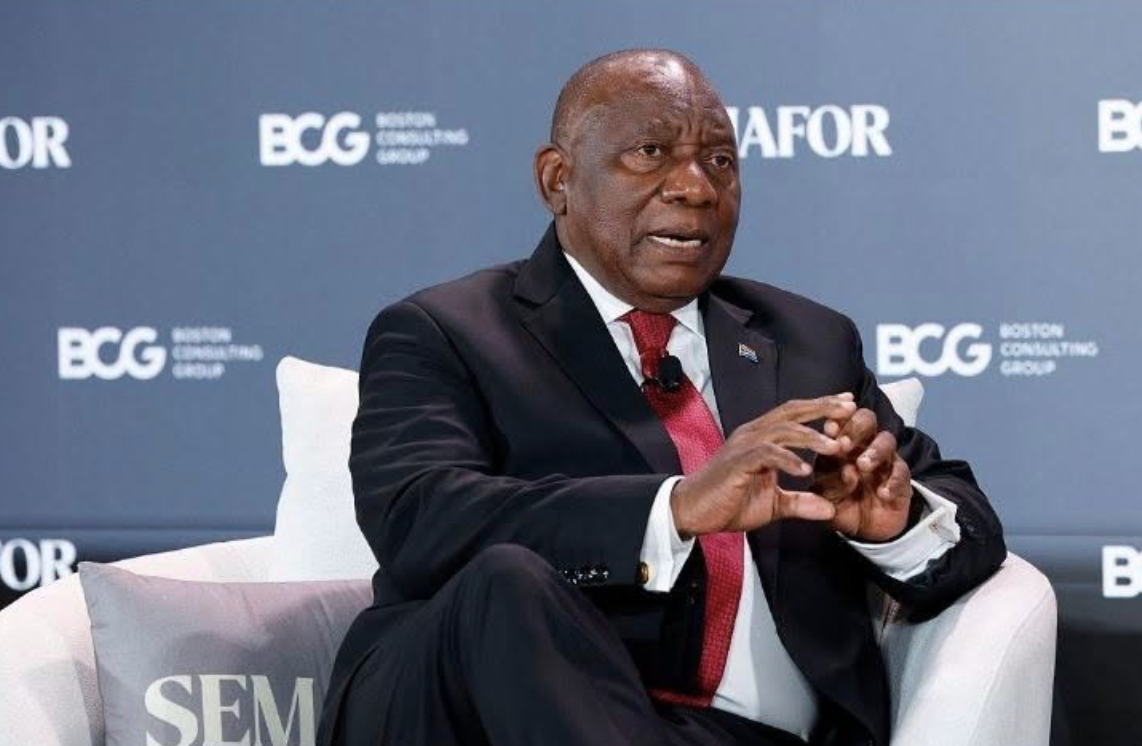
LUANDA — South African President Cyril Ramaphosa has embarked on an ambitious technology investment drive in Silicon Valley, seeking to position Africa’s most industrialised economy as a regional hub for artificial intelligence, cloud computing and digital infrastructure.
The November 15–21 mission brings together around 300 delegates, including eight cabinet ministers, business executives, researchers and 27 postgraduate students. The programme includes engagements with Google, Cisco, Microsoft, Palo Alto Networks and Stanford University.
The initiative comes at a critical juncture for South Africa’s $489bn economy. The OECD projects growth of just 1.2 per cent in 2026 and 1.6 per cent in 2027, while the IMF forecasts unemployment of 33.2 per cent and public debt equivalent to 78 per cent of GDP this year.
Speaking at the South Africa and the AI Opportunity Conference in San Jose on November 18, Ramaphosa highlighted estimates that major US technology companies could invest nearly $670bn in AI infrastructure this year.
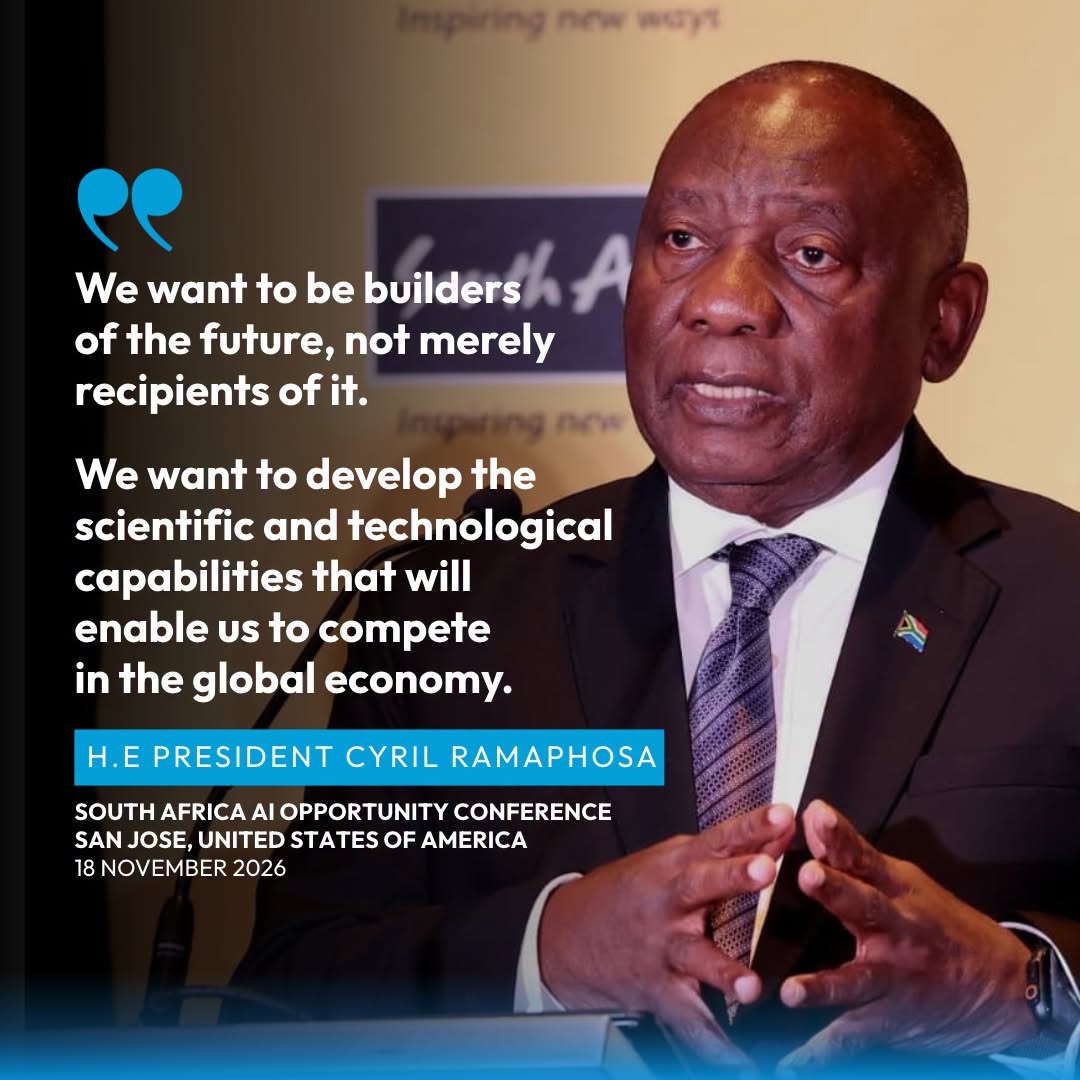
“We cannot be content to remain merely consumers of technologies developed by others,” he said.
South Africa already has a competitive advantage. According to the UN Economic Commission for Africa, the country hosts 61 of Africa’s 249 data centres, compared with 25 in Nigeria and 19 in Kenya.
In March 2025, Microsoft announced an additional R5.4bn ($297mn) investment in South African cloud and AI infrastructure by 2027, building on R20.4bn previously invested. Amazon Web Services has separately announced investment plans worth R30.4bn.
The visit also carries geopolitical significance. As a BRICS member with extensive commercial ties to China, South Africa is seeking deeper technological integration with the US without compromising its strategic autonomy.
Domestically, AI could raise industrial productivity, improve public healthcare, modernise financial services and stimulate entrepreneurship. But electricity reliability, skills shortages and regulatory uncertainty remain barriers to large-scale investment.
Ramaphosa has given his delegation 90 days after its return to identify practical projects and measurable outcomes, signalling Pretoria’s determination to turn diplomatic engagement into commercial agreements.
For South Africa, the challenge is not simply to attract Silicon Valley’s capital, but to convert it into domestic technological capacity, skilled employment and sustainable economic growth. The success of that ambition will depend as much on reforms at home as on partnerships secured abroad.