Egypt reaffirms its position as Africa’s Largest Economy in 2024
- EconomicEgyptNigeria
- November 22, 2024
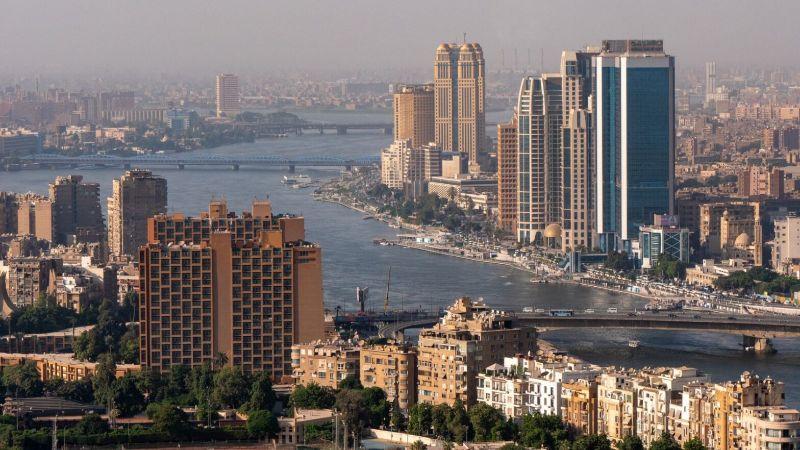

In 2024, Egypt has cemented its status as Africa’s largest economy, with a GDP of $347 billion, surpassing Nigeria, which recorded a GDP of $252 billion. According to the International Monetary Fund (IMF), Egypt is projected to maintain this lead through 2030.
The IMF further reports that South Africa, with a GDP of $373 billion, has emerged as the second-largest economy on the continent. Algeria takes the fourth spot, boasting a GDP of $266 billion. Collectively, these nations represent a significant portion of Africa’s total economic output.
When measured in terms of Purchasing Power Parity (PPP)—an adjustment that accounts for variations in the cost of living and purchasing power—Egypt also leads, followed by Nigeria and South Africa. This metric provides a more comprehensive view of economic wellbeing by reflecting the real value of goods and services within each country.
The five largest economies—Egypt, Nigeria, South Africa, Algeria, and Ethiopia—together account for a substantial share of the continent’s GDP. However, this concentration underscores the economic disparities across the region, highlighting the need for policies that foster more inclusive growth.
According to the African Development Bank (AfDB), Africa’s economy is expected to grow by 3.8% in 2024 and 4.2% in 2025, outpacing global growth projections of 2.9% and 3.2% respectively. Key drivers include strategic investments, enhanced infrastructure, and expanded intra-regional trade.
However, significant challenges remain. Diversifying economies, reducing reliance on commodity exports, and implementing structural reforms are crucial for sustaining long-term growth.
Egypt’s reaffirmation as Africa’s largest economy in 2024 reflects a rapidly evolving economic landscape on the continent. While leading economies such as Nigeria, South Africa, and Algeria continue to dominate, the disparities in economic performance across the region underscore the urgency of equitable and inclusive development strategies. As Africa’s economic growth outpaces global averages, there is an opportunity to capitalise on this momentum to ensure broader, more sustainable prosperity.