Niger and World Bank reach deal to revive Kandadji project and accelerate economic investment
- NigerPolitics
- November 14, 2026
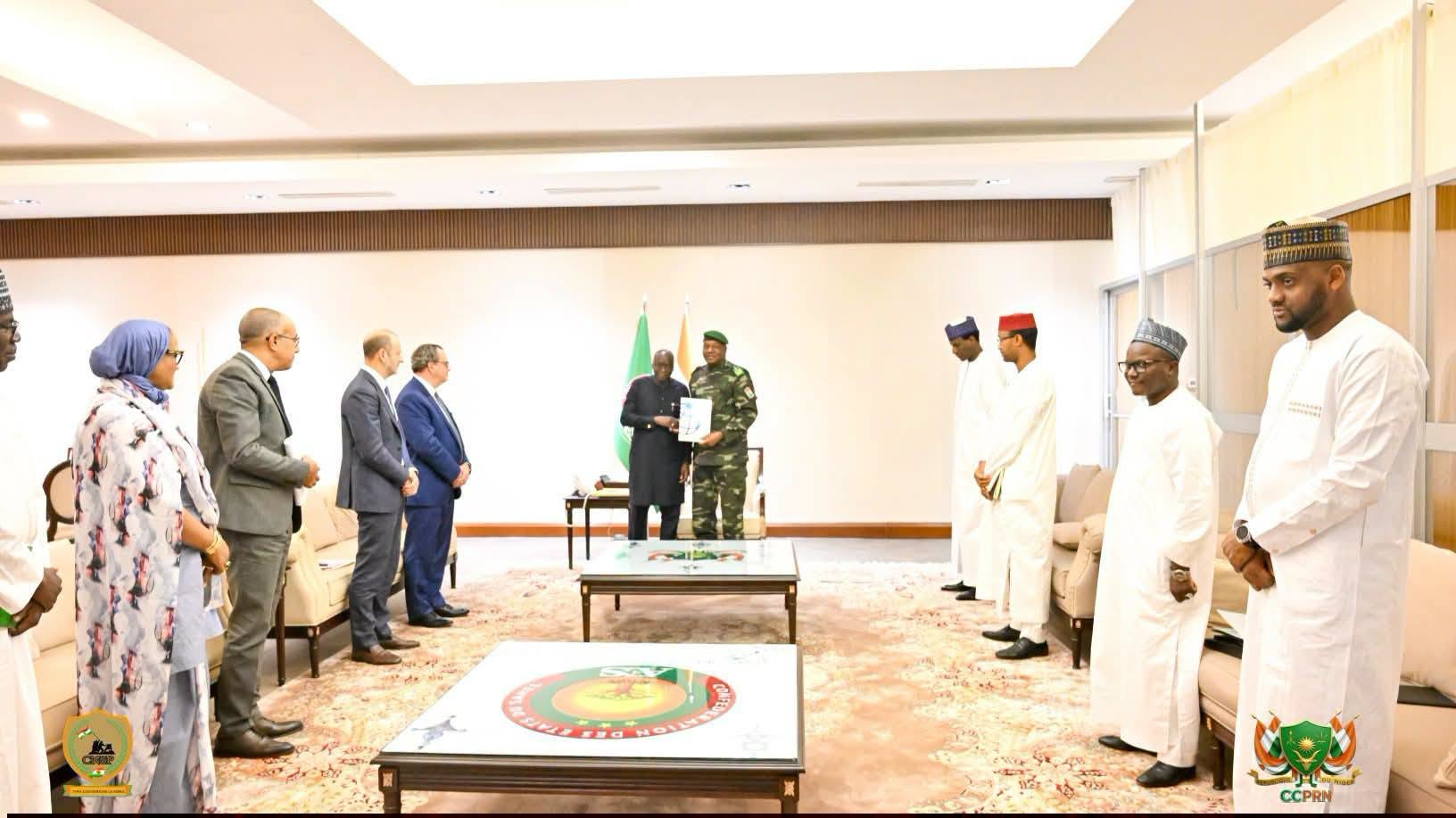

President Abdourahamane Tiani seeks to unlock strategic infrastructure financing, expand electricity access and stimulate private-sector growth under a new five-year partnership framework.
NIAMEY — Niger’s President, Abdourahamane Tiani, and World Bank Vice-President for Western and Central Africa, Ousmane Diagana, have reached agreements aimed at removing obstacles to the Kandadji hydropower project and accelerating investment in energy, agriculture and job creation.
The talks, held in Niamey on Friday, November 13, signal renewed efforts to strengthen economic co-operation between Niger and the World Bank as the country confronts infrastructure deficits, fiscal pressures and the challenge of diversifying its economy.
Reviving Kandadji, one of Niger’s most strategically important energy projects, was central to the discussions. According to the presidency, both sides agreed on measures to overcome implementation bottlenecks, although no additional financing commitments or revised completion timetable were disclosed.
The project’s revival could strengthen domestic electricity generation, improve energy security and support industrial and agricultural productivity, potentially reducing operating costs for businesses.
The discussions also covered a new five-year Country Partnership Framework focused on employment generation, particularly for young people and women, through improved access to financing for small and medium-sized enterprises.
Three priority areas were identified: electricity and energy under the World Bank-backed Mission 300 initiative, which aims to connect 300mn Africans to electricity by 2030; agriculture and livestock development; and water infrastructure.
Prime Minister Ali Mahamane Lamine Zeine and Finance Minister Maman Laouali Abdou Rafa attended the meeting.
For Niger, closer engagement with the World Bank offers an opportunity to mobilise development financing, strengthen productive capacity and encourage private investment.
However, the economic benefits will depend on project execution, institutional capacity and the government’s ability to translate financing agreements into measurable improvements in employment, productivity and access to essential services.
The immediate challenge is to turn renewed international financial engagement into sustained economic development.