DR Congo to grow 5.7% in 2026 and consolidates its place as sub-Saharan Africa’s fifth-largest economy
- Democratic Republic of the Congo (DRC)Economic OutlookMagazine
- November 14, 2026

MAPUTO – The Democratic Republic of Congo is expected to grow about 5.7% this year, according to the IMF. It is a year of easing inflation, record copper exports and a return to international markets.
With GDP close to USD 123 billion, the country has overtaken Ethiopia and is now the fifth-largest economy in sub-Saharan Africa, according to the IMF (April 2026).
Year-on-year inflation stood at 5.05% in the second week of October, less than half the 11.7% recorded at the end of 2024. The Central Bank of Congo has cut its policy rate from 17.5% to 12.5% since December and held it on 8 October. Cumulative inflation for the year is 7.56%, and the bank expects 8.9% by end-2026.
Mining is the engine. Copper exports reached 1.72 million tonnes in the first half, a record and 4.5% more than a year earlier. US imports of Congolese products rose 38.7%, to USD 1.41 billion.
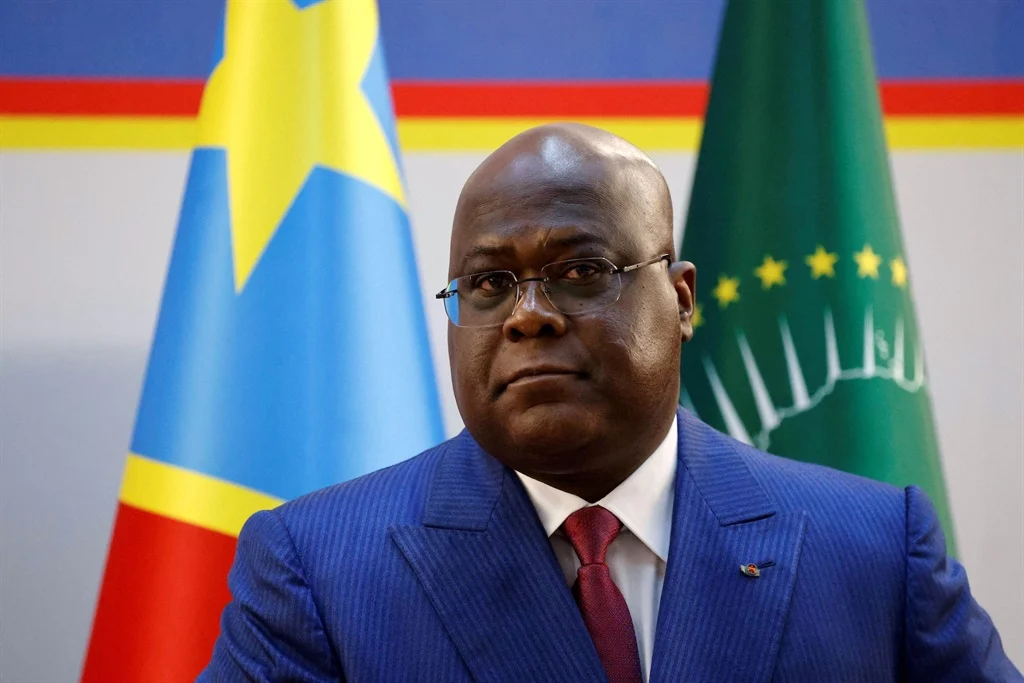
Under the leadership of President Félix Tshisekedi, who took the critical-minerals partnership strategy to Washington in February, the DRC made its international market debut in April with a USD 1.25 billion Eurobond, with demand of almost USD 5 billion. The maturities are 2032 (8.75%) and 2037 (9.50%). In June, the IMF disbursed a further USD 348.5 million after the third review of the reform programme.
International reserves stood at around USD 7.38 billion on 21 October. Public debt, at USD 18.55 billion, is below 20% of GDP, and S&P raised its rating outlook (B-) to positive.
There are points to watch. Foreign direct investment fell to USD 1.87 billion in 2025, against 3.11 billion in 2024, according to UNCTAD. Reserves cover 2.82 months of imports, below the three-month benchmark.