Lobito Corridor secures funding amid U.S. speculation, strengthening Angola’s regional trade role
- AmericaAngolaPolitics
- February 22, 2025
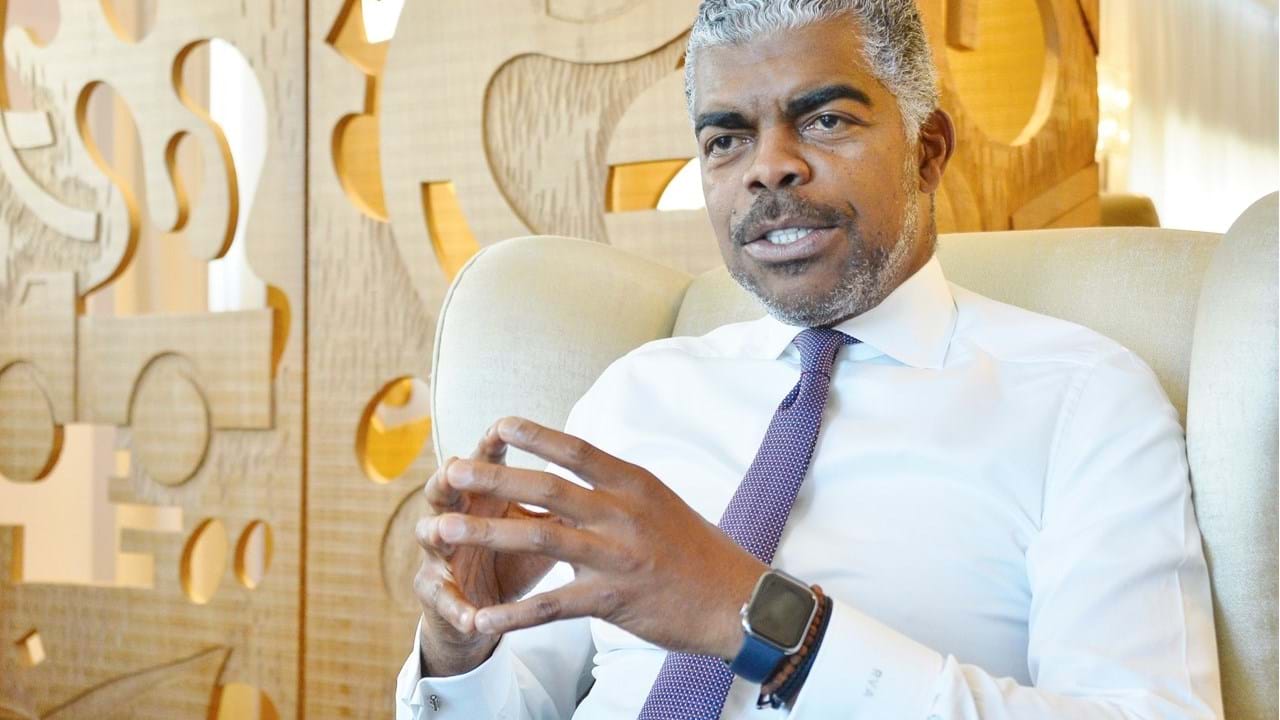

Johannesburg, South Africa – Angola’s Transport Minister, Ricardo D’Abreu, has dismissed concerns over potential funding suspensions for the Lobito Corridor, reaffirming that the project does not rely solely on U.S. financial support. Speaking in Luanda, D’Abreu clarified that the railway concession, operated by the Lobito Atlantic Railway consortium, is backed primarily by shareholder investments.

AfricaHeadline Reports Team
editorial@dw-demosnewstaion.online
The project, spanning 1,344 kilometers, is critical to the transportation of minerals from the Democratic Republic of Congo (DRC) and Zambia, providing a key export route to global markets.
Despite speculation about U.S. withdrawal, the minister noted that American involvement remains limited to specific feasibility studies rather than direct infrastructure funding. The United States Agency for International Development (USAID) had committed $250,000 for studies on the potential extension of the railway into Zambia, but this does not impact the corridor’s current operations.
Meanwhile, institutions such as the African Development Bank (AfDB) and other international financiers continue to explore investment opportunities to bolster the railway’s efficiency and long-term viability.
The Lobito Corridor is seen as a strategic alternative to other mineral transport routes in Africa, reducing costs and strengthening trade ties among Angola, Zambia, and the DRC.
Experts believe its expansion will not only boost Angola’s economic diversification but also enhance regional connectivity, positioning the country as a critical player in Africa’s transport and logistics sector.
However, challenges remain, including infrastructure modernization and capacity upgrades, which the Angolan government aims to tackle through public-private partnerships and further international cooperation.