Uganda leads sustainable construction with eco-friendly ricks
- Business and NetworkingUganda
- October 20, 2024
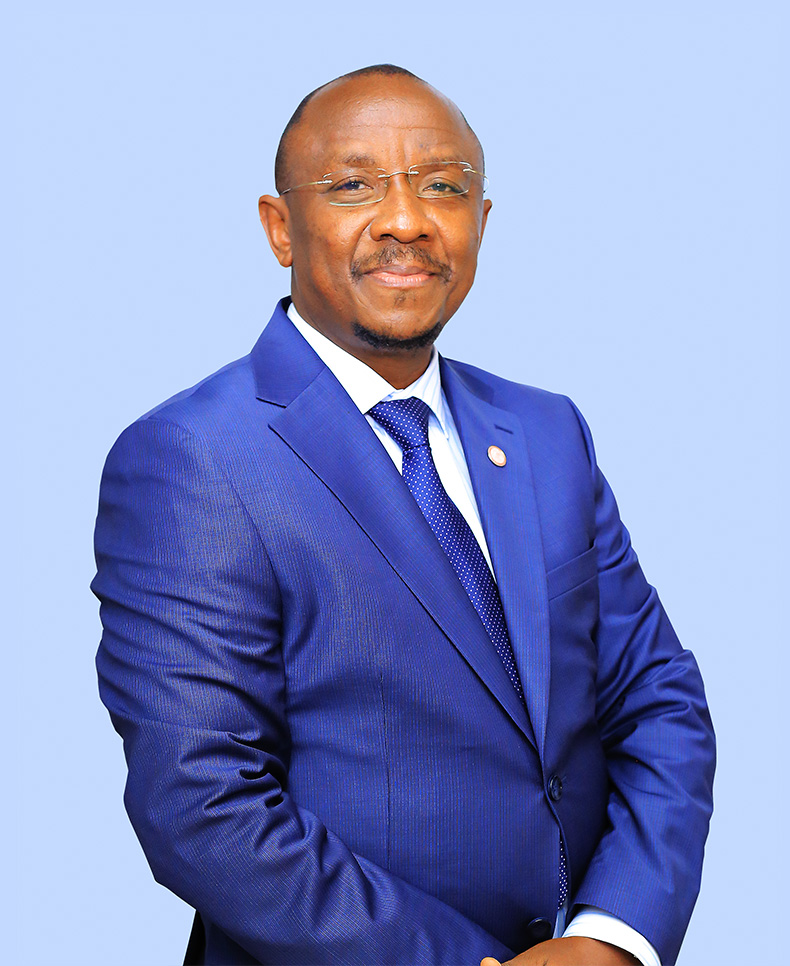

Kenneth Kaijuka, CEO of the National Housing and Construction Company (NHCC), spearheads an innovative project that aims to transform Uganda’s construction sector through the development of interlocking stabilized soil blocks (ISSBs). Unlike conventional bricks, these eco-friendly blocks eliminate the need for energy-intensive kilns powered by charcoal, significantly reducing deforestation and carbon emissions.
Uganda’s rapidly growing population has driven demand for new housing and infrastructure, positioning sustainable materials at the forefront of the sector. Eco-bricks not only address environmental concerns but also cut construction costs by reducing the reliance on cement and other expensive materials. This project is designed to both modernize Uganda’s construction landscape and offer a greener alternative to traditional methods.
The initiative has secured $1.5 million in funding from local and international organizations, with additional support from the United Nations Environment Program (UNEP). Uganda’s government is also considering incorporating these bricks into public infrastructure projects, especially in emerging urban centers. This collaboration reflects a long-term strategy to balance economic growth with environmental sustainability.
The project aims to generate approximately 5,000 direct jobs over the next five years, particularly focusing on training youth from rural and urban areas in sustainable construction practices. In addition to employment, the goal is to replace 30% of traditional construction materials with these sustainable alternatives by 2030, helping the country build more cost-effective and environmentally friendly infrastructure.
With private sector interest and non-governmental support growing, NHCC plans to scale the use of these eco-bricks in affordable housing and other public works. The initiative aligns with Uganda’s efforts to establish a circular economy, using agricultural by-products and organic materials to produce low-carbon construction solutions.
By leading the shift toward sustainable construction, Uganda demonstrates how economic growth and environmental stewardship can coexist. This model offers inspiration and practical solutions for other African nations looking to integrate sustainability into their development agendas.