South Africa intensifies deportation of undocumented migrants amid economic strain and growing public pressure
- Politics
- June 11, 2026
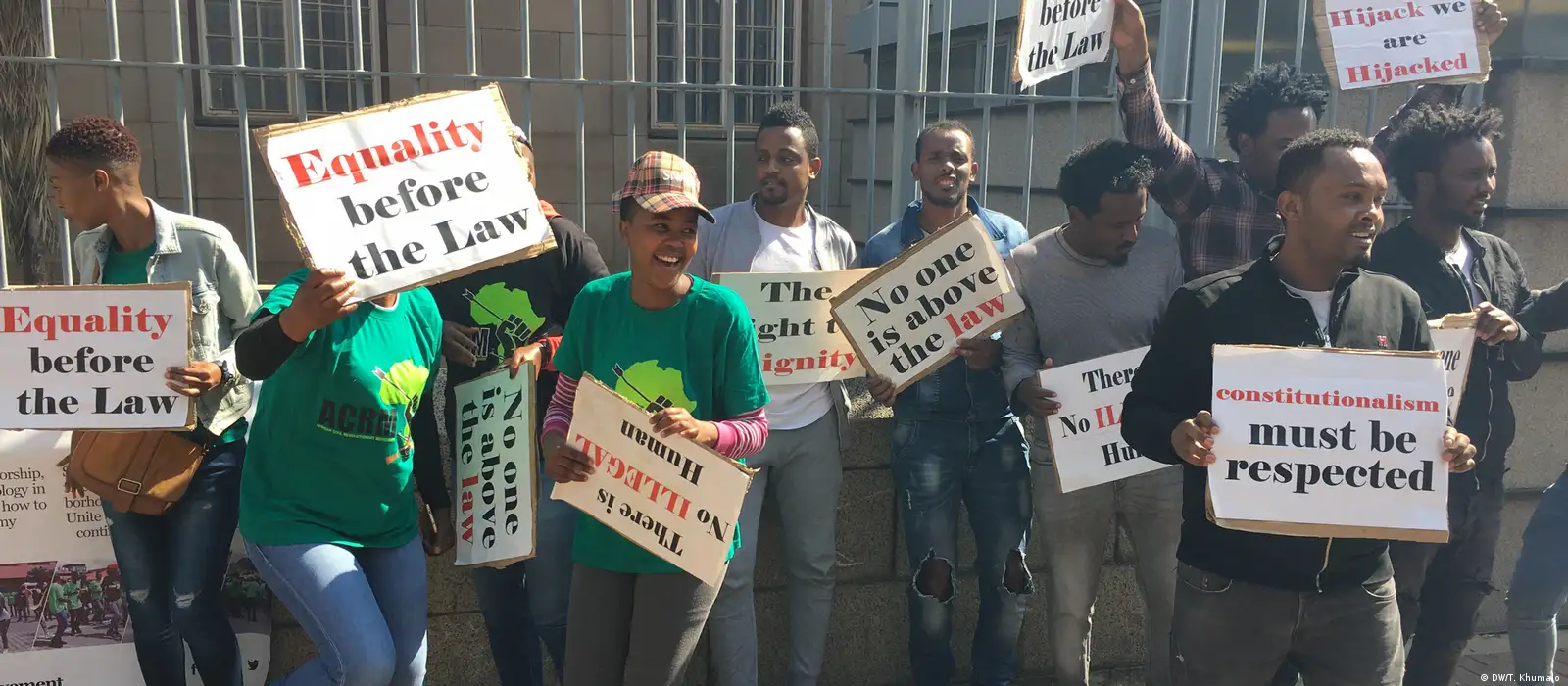

Johannesburg, South Africa — For decades, South Africa has been regarded as one of Africa’s most attractive destinations for economic migrants. The continent’s most industrialized economy has drawn millions of people from Zimbabwe, Mozambique, Malawi, the Democratic Republic of Congo, Nigeria, Ethiopia, Somalia, and other nations seeking employment, security, and better living conditions.
Today, however, a new reality is emerging. The South African government has significantly intensified operations aimed at identifying, detaining, and deporting undocumented migrants, reflecting growing public frustration over economic hardship, persistently high unemployment, and mounting political pressure on national authorities.
More than 109,000 undocumented migrants have been deported over the past two years, according to official figures, representing an increase of approximately 46 percent compared with previous periods. Authorities have also reported preventing hundreds of thousands of attempted illegal border crossings during the same timeframe.
The crackdown comes at a particularly sensitive moment for South Africa. While the country remains one of Africa’s most developed economies, it continues to grapple with sluggish economic growth, deep social inequalities, and one of the highest unemployment rates in the world.
Official data indicate that millions of young South Africans remain excluded from the formal labor market. Across many communities, the perception that undocumented migrants compete for jobs, housing, public services, and economic opportunities has become a central issue in the national political debate.
Immigration becomes a political survival issue
Political analysts say migration has evolved from a border security concern into one of the country’s most significant political challenges.
Following the 2024 general elections, the governing African National Congress (ANC) lost its parliamentary majority for the first time since the end of apartheid in 1994. The new political landscape forced the government into coalition arrangements and increased pressure to respond more aggressively to voter concerns.
Among those concerns, illegal immigration has emerged as one of the most politically sensitive issues.
In recent years, anti-immigration movements have gained momentum across several provinces. Organizations such as Operation Dudula have led campaigns demanding stricter immigration enforcement, audits of migration systems, and large-scale deportations.
Experts caution, however, that the issue extends far beyond undocumented migration alone.
Economic challenges lie at the heart of the crisis
Economists argue that South Africa’s structural problems long predate the current immigration debate.
The country continues to face challenges linked to low productivity, corruption, energy shortages, inadequate private-sector investment, and persistent difficulties in generating sufficient employment opportunities for its rapidly growing youth population.
Against this backdrop, many analysts believe migrants have become highly visible symbols of broader economic frustrations.
“When societies experience prolonged unemployment, slow growth, and entrenched inequality, it is common for specific groups to be blamed for problems whose roots are far more structural and complex,” researchers from African policy institutes have noted.
Nevertheless, public perceptions continue to exert significant influence over government policymaking.
Borders under increasing pressure
South Africa’s geographic position has also contributed to the situation. The country shares extensive land borders with Zimbabwe, Mozambique, Botswana, Namibia, Lesotho, and Eswatini. For decades, thousands of migrants have crossed these borders in search of employment, safety, and access to essential services.
Authorities say that more than 450,000 attempted illegal entries were intercepted over the past year alone.
In response, the government has launched an expanded border management strategy that includes biometric identification systems, advanced surveillance technologies, enhanced enforcement capabilities, and accelerated deportation procedures.
Regional implications
The measures are generating growing concern across several African countries. Zimbabwe, Mozambique, and Malawi continue to have large numbers of citizens living and working in South Africa, many of whom support families through remittances sent back home.
Any significant reduction in these migration flows could have economic consequences for communities and local economies that depend heavily on remittance income.
Regional observers have also warned of the risk of renewed xenophobic tensions similar to those witnessed in previous years, when attacks against foreign nationals resulted in deaths, displacement, and widespread international condemnation.
The future of South Africa’s migration policy
The tightening of migration controls appears unlikely to slow in the near future. President Cyril Ramaphosa’s administration argues that stronger border management is essential to protecting jobs, enhancing national security, and preserving the integrity of South Africa’s immigration system.
Human rights organizations, however, contend that the country’s economic challenges cannot be solved solely through deportations or stricter immigration measures.
The debate is expected to remain at the forefront of South African politics in the years ahead as Africa’s most industrialized economy attempts to balance national security priorities, economic growth objectives, and commitments to regional integration.
For many observers, the central question remains unchanged, the current deportation campaign is about far more than immigration alone. It reflects the deeper economic, social, and political transformations reshaping South Africa and potentially influencing the future direction of Southern Africa as a whole.
—
Copyright © 2026 Africa Headline. All Rights Reserved.