Ethiopia accuses Egypt and Sudan of backing armed alliance as Tigray fighting intensifies
- PoliticsSouth Sudan
- September 28, 2026
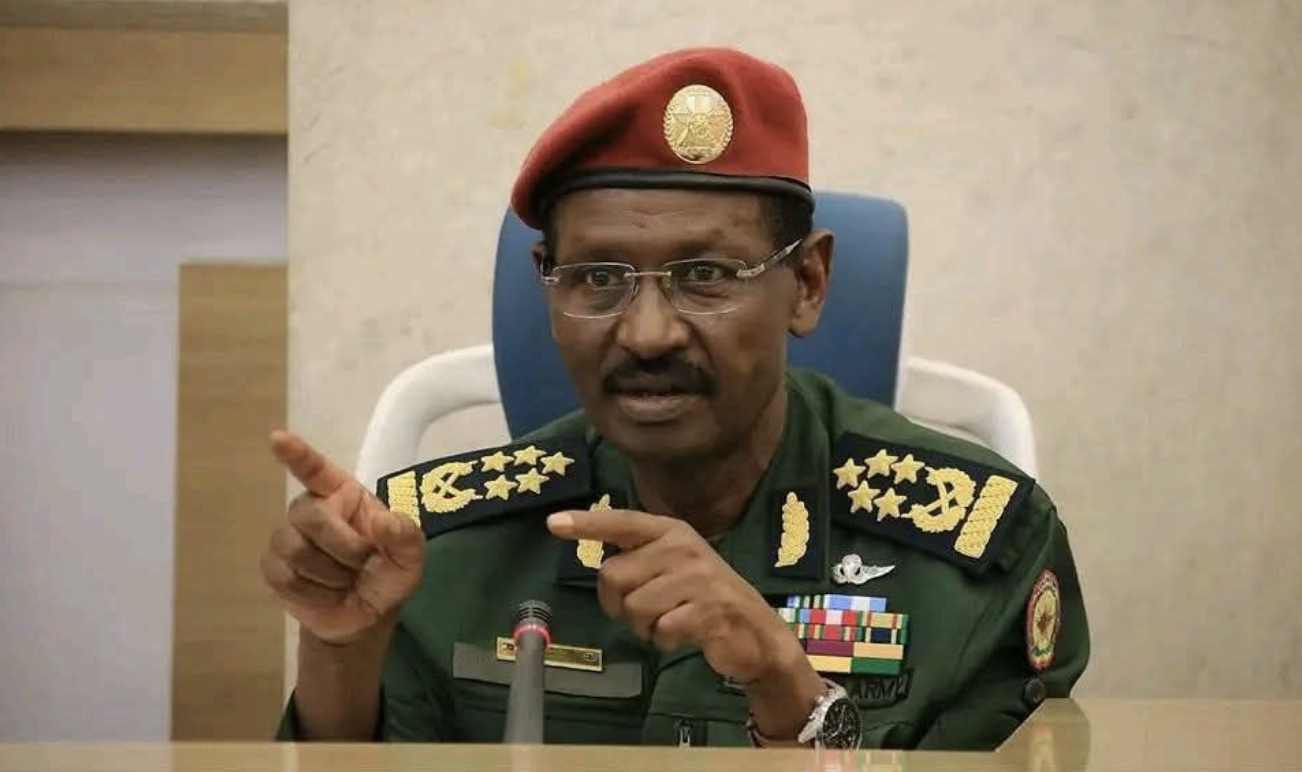

JOHANNESBURG – Ethiopia’s army chief, Field Marshal Birhanu Jula, has accused Egypt and Sudan of supporting a newly formed alliance of armed groups seeking to remove Prime Minister Abiy Ahmed’s government, as fighting intensifies in the country’s northern Tigray region.
Jula also accused Eritrea of acting as a link between foreign backers and armed groups inside Ethiopia. Speaking to an Ethiopian military media outlet, he said the alliance could not challenge the federal government without being “pushed, supported and supplied” from abroad. He did not provide publicly available evidence to substantiate the allegations.
The accusations come as Ethiopia faces its most serious military escalation in Tigray since the 2020–2022 war. Tigrayan forces seized control of three airports and clashed with federal troops on September 23, according to Reuters, while fighting has since spread into parts of the neighbouring Amhara and Afar regions.
The latest conflict is unfolding against the backdrop of a new alliance of seven Ethiopian armed groups. Calling itself the Ethiopian Peoples’ Forces Alliance for Survival, the coalition includes the Tigray People’s Liberation Front (TPLF), the Oromo Liberation Army and the Amhara Fano National Movement, as well as groups from other regions.
The alliance has declared its intention to remove Abiy’s government and establish an inclusive transitional administration. The coalition brings together former adversaries with different ethnic, territorial and political interests, raising questions about how effectively the groups can coordinate despite their shared opposition to the federal government.
The formation of the alliance has further complicated the political and military landscape created by the Pretoria Agreement, which formally ended the 2020–2022 Tigray war.
The peace process had already come under pressure following divisions within the TPLF and renewed tensions between Addis Ababa and Tigray’s regional authorities.
Ethiopia’s government has accused Eritrea of supporting members of the new alliance, allegations that Asmara has denied. Eritrea fought alongside Ethiopian federal forces during the previous Tigray war, but relations between the two governments deteriorated after the 2022 peace agreement, to which Eritrea was not a party.
Sudan has also rejected Ethiopia’s latest accusations. Sudanese Armed Forces spokesman Asim Awad Abdelwahab described the allegations as baseless and said Khartoum remained committed to non-interference in the internal affairs of neighbouring states.
Sudan has itself accused Ethiopia of allowing support and logistical activity for the Rapid Support Forces from Ethiopian territory, allegations Addis Ababa has denied. Neither side’s claims have been independently verified.
Egypt’s alleged involvement adds another layer to the dispute, Cairo and Addis Ababa remain divided over the Grand Ethiopian Renaissance Dam on the Blue Nile.
Egypt and Sudan have called for a legally binding agreement on the dam’s operation, particularly during prolonged periods of drought, while Ethiopia maintains that the project is essential to its development and electricity generation.
The renewed fighting therefore comes at a time of overlapping tensions across the Horn of Africa. Ethiopia’s relations with Eritrea have deteriorated, Sudan remains engulfed in war, and the dispute over the Nile continues to strain relations between Addis Ababa and Cairo.
The regional implications are significant, a renewed conflict in Tigray would unfold in a Horn of Africa already affected by the war in Sudan, instability in Somalia, disputes over Red Sea access and competing regional alliances. Reuters has described the current environment as one in which a new Tigray conflict could extend beyond Ethiopia’s borders.
For now, however, the extent of foreign support to the newly formed alliance remains unclear. The Ethiopian government has made serious allegations against Egypt, Sudan and Eritrea, but those claims have not been independently verified.
What is clear is that the return of large-scale fighting in Tigray, combined with the emergence of a seven-group anti-government alliance, has placed the 2022 peace settlement under its most serious pressure since it was signed.