Ghana’s Mahama defends rejection of proposed U.S. health compact
- GhanaPolitics
- September 28, 2026
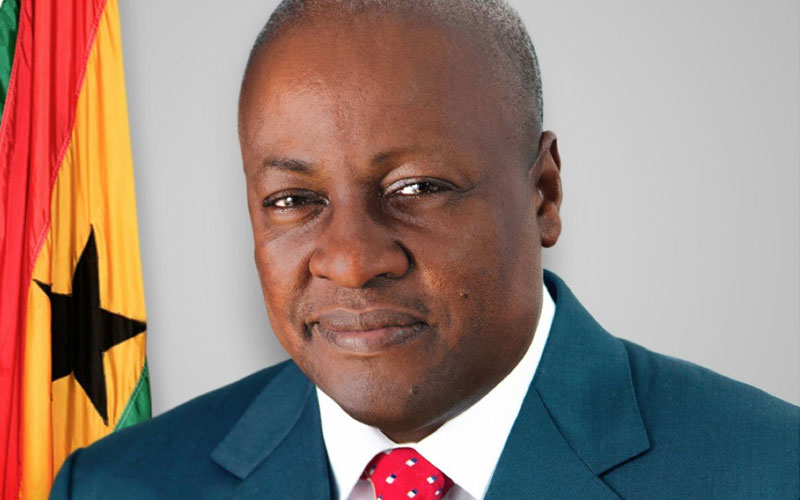

ACCRA – Ghanaian President John Dramani Mahama has defended his government’s decision to reject a proposed health compact with the United States, saying some of its provisions were unacceptable and describing the agreement as “humiliating.”
Speaking in New York on September 25, Mahama said Ghana’s Ministry of Health had reviewed the proposed agreement before it was presented to the Cabinet, where officials raised concerns over several of its provisions.
Among the issues cited by the president were requirements relating to the sharing of Ghana’s pathogen profile and medical records, financial commitments by the Ghanaian government and provisions that, according to Mahama, could have restricted the ability of Ghana’s Food and Drugs Authority to inspect medicines and medical products supplied under the programme.
Mahama said the Cabinet rejected the proposed agreement after reviewing the conditions, arguing that Ghana could not accept terms that he considered inconsistent with the country’s interests and sovereignty.
The proposed compact was intended to establish a new framework for U.S. health assistance to Ghana following changes to the United States’ foreign aid programmes, including the winding down of major USAID-funded initiatives.
Mahama’s comments provide the Ghanaian government’s clearest public explanation to date for rejecting the proposed arrangement.
His description of the terms as “humiliating” reflects his own assessment of the agreement rather than an independent characterisation of the proposal.
The dispute comes as African governments reassess their dependence on traditional foreign aid and seek greater domestic financing for health systems. For Ghana, the decision also highlights the balance between maintaining access to international health funding and preserving national control over health data, regulation and public-health policy.
The Ghanaian government has indicated that it remains open to cooperation with the United States on health issues, but wants any future arrangement to be based on terms that it considers mutually acceptable and respectful of Ghana’s national institutions.