Angola’s José de Lima Massano urges banks to lend more to farms and factories at AFIS
- AngolaEconomic
- November 5, 2026

AfricaHeadline | Finance
African banks earned a 17 per cent return on equity in 2025. At the Luanda summit, Angola’s economic co-ordination minister called for more credit for farmers, manufacturers and small businesses.
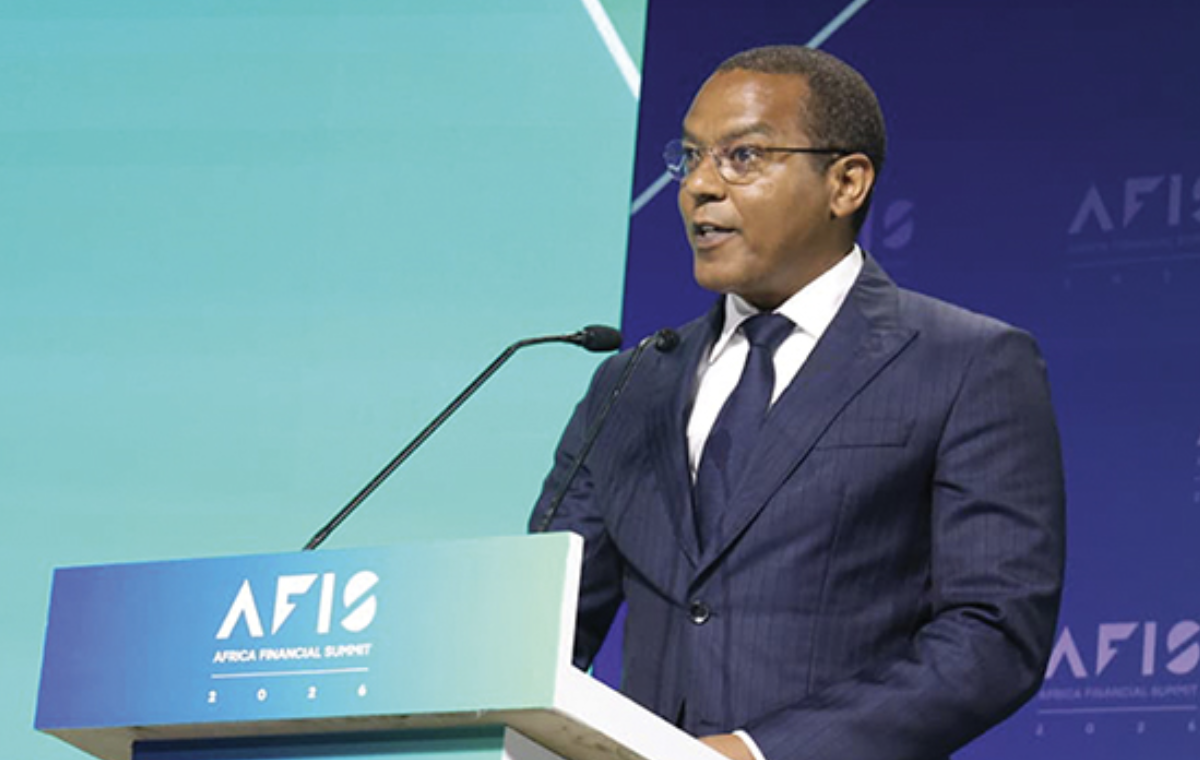
LUANDA — Angola’s José de Lima Massano used the opening of the Africa Financial Summit (AFIS) on 3 November to press African banks to lend more to businesses in sectors that governments are counting on to diversify their economies.
The appeal comes as high interest rates have helped support bank profitability while making loans more expensive for borrowers.
African banks earned a 17 per cent return on equity in 2025, compared with a global average of 10 per cent, according to McKinsey.
The continent’s banking revenues reached $107bn that year, with about 70 per cent generated in five markets, South Africa, Egypt, Nigeria, Morocco and Kenya. The concentration makes the continental figures a limited guide to how easily businesses can borrow in individual markets.
Angola’s credit gap
Angola’s non-oil economy grew 9.24 per cent year on year in the second quarter of 2026, outpacing real GDP growth of 8.74 per cent and oil-sector growth of 5.64 per cent.
Massano linked the performance to reforms under President João Lourenço aimed at improving the business environment and expanding private-sector participation.
Private-sector credit stood at about 6 per cent of GDP in 2025, roughly half its share five years earlier, even as lending increased in nominal terms.
The IMF identified the government’s high financing needs as one factor crowding out private borrowing.
A separate central bank measure tracks lending to productive industries, including manufacturing, extractive industries and agriculture. Outstanding credit in that category reached 2.1tn kwanzas in September 2026, up 23.3 per cent in nominal terms from a year earlier.
Manufacturing accounted for nearly 45 per cent of the balance. The figures show where credit is going. For borrowers, the terms also matter. A farmer buying seed needs financing through harvest, while a manufacturer installing a production line may need years to repay the loan.
Digital payments could widen access
About 85 per cent of employment in Africa is informal, according to the International Labour Organization. Massano said digital financial services could lower the cost of assessing borrowers. For a trader without audited accounts, a record of digital payments can help a lender estimate sales and judge whether the business can service a loan.
In Angola, the government’s 2027 Digital Transition Agenda for Public Administration, known as Agenda GOVERNO.AO, aims to move more public services online and improve data-sharing across government agencies. As services become available online, businesses could find it easier to obtain and share the official documents lenders use to verify their registration.
For exporters, Massano highlighted the Pan-African Payment and Settlement System, which allows businesses in participating markets to pay across borders in local currencies. Faster settlement can shorten the wait for payment and reduce the amount exporters need to borrow to cover day-to-day costs.
For Angola, the test is whether private credit rises as a share of GDP and whether businesses outside the oil sector can borrow on terms that match the time it takes for their investments to pay off.