OPINION | Ghana is still a democratic benchmark, but the warning signs are becoming harder to ignore
- Opinions
- June 27, 2026
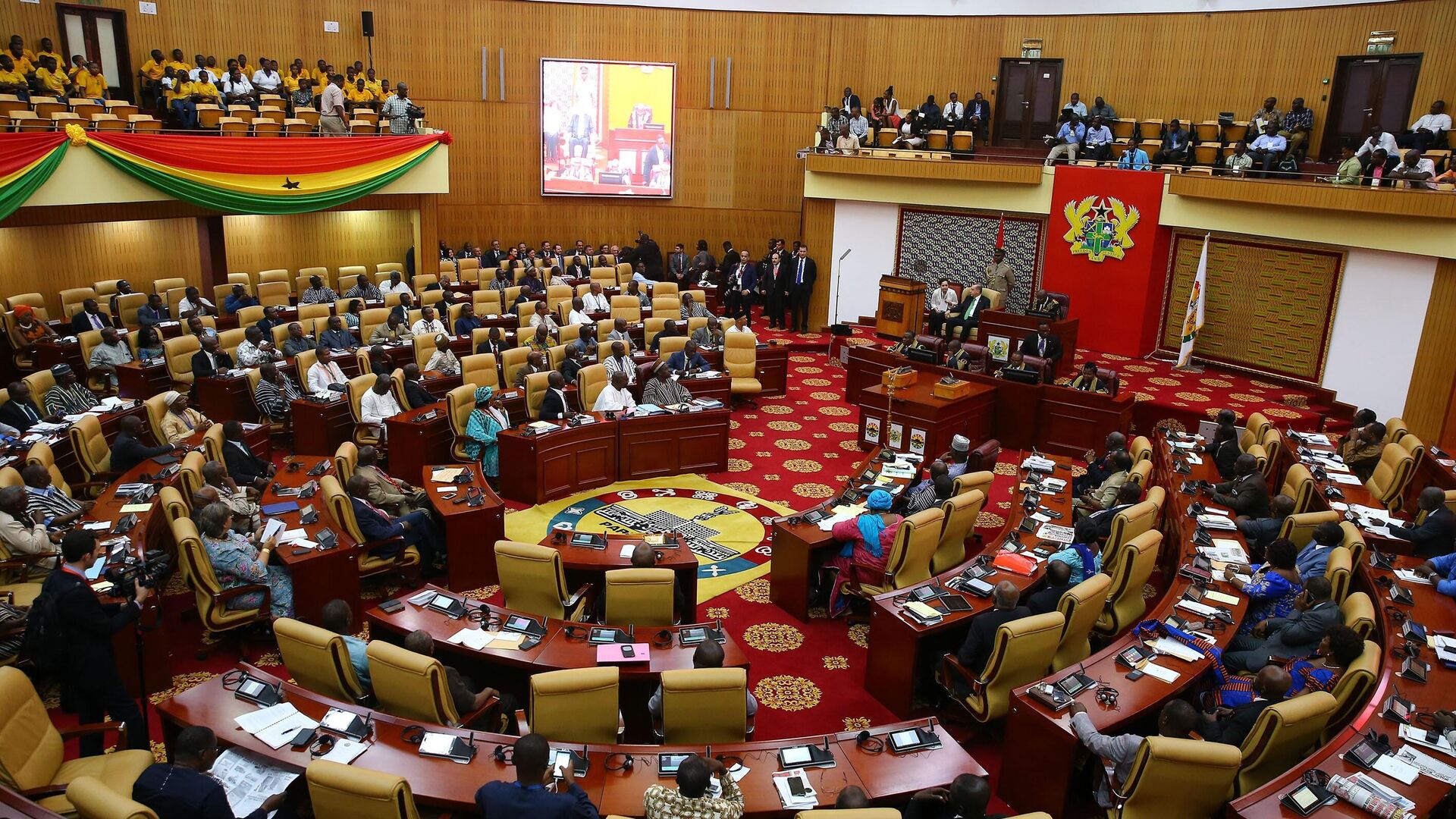

MAPUTO – For years, Ghana has been regarded as one of Africa’s greatest democratic success stories. While several countries across West Africa grappled with military coups, political turmoil and prolonged instability, Ghana strengthened its democratic credentials through peaceful elections, orderly transfers of power and institutions that inspired confidence both at home and abroad.
That reputation helped attract investment, support economic growth and position Accra as a symbol of the belief that democracy and development could advance together.
Today, however, that image is beginning to face a serious test.
In recent weeks, public debate has been dominated by a series of events that, at first glance, appear unrelated. Rising violence in schools and universities, allegations of abuse involving teachers, one of the country’s most high-profile legal cases involving former Finance Minister Ken Ofori-Atta, and the unexpected resignations of senior figures from the Council of State and the Electoral Commission have all contributed to a growing sense of unease. Individually, each case has its own circumstances and explanations. Taken together, however, they point to a deeper concern: public confidence in Ghana’s institutions is beginning to erode.
That may well be the greatest challenge Ghana has faced since consolidating its democracy. Public institutions are not judged only when everything functions smoothly. Their real test comes during periods of political, social and judicial tension. It is in these moments that citizens, investors and international partners assess whether the rules are still applied fairly, whether state institutions continue to operate independently and whether justice remains insulated from political influence.
The rise in violence within educational institutions offers a clear example of this challenge. Schools and universities are far more than places of learning; they are where the state demonstrates its ability to uphold security, discipline and equal opportunity on a daily basis.
As incidents of assault, conflict and insecurity become more frequent, the consequences extend well beyond the education sector. Parents lose confidence, teachers see their authority weakened, and public institutions increasingly struggle to convince citizens that they are capable of enforcing the rules consistently.
The same logic applies to the case involving Ken Ofori-Atta. Regardless of the courts’ eventual findings, the case has evolved into a test of the credibility of Ghana’s justice system. Fighting corruption remains a legitimate and necessary objective for any democracy. But anti-corruption efforts strengthen institutions only when they are conducted with full respect for due process, ensuring transparency, impartiality and the protection of fundamental rights. Whenever a judicial process becomes viewed primarily through the lens of political rivalry, the damage extends beyond those directly involved. It undermines public confidence in the justice system itself.
Recent changes within key constitutional bodies add another layer to the debate. Institutions such as the Council of State and the Electoral Commission play a central role in safeguarding democratic stability. Their credibility depends less on the individuals who occupy leadership positions than on the public perception that they perform their duties independently and above partisan interests. Once that perception begins to weaken, political polarisation deepens and confidence in institutional decision-making inevitably declines.
The implications extend well beyond politics. In today’s global economy, investors evaluate more than macroeconomic indicators. Institutional quality, legal certainty and regulatory stability have become equally important measures of a country’s attractiveness.
Strong institutions reduce uncertainty, encourage long-term investment and lower the cost of doing business. By contrast, when concerns about institutional instability grow, so too does perceived investment risk, ultimately affecting economic competitiveness and sustainable growth.
Despite these warning signs, it would be premature to conclude that Ghana is facing an irreversible institutional crisis. The country remains one of Africa’s most established democracies, supported by an active civil society, a pluralistic media landscape and institutions that remain considerably stronger than those found across much of the region. That continues to be a strategic advantage that few African nations enjoy.
History, however, offers an important lesson: strong institutions are never permanent. They must be protected, modernised and continually strengthened. Democracies rarely fail overnight. More often, they weaken gradually, as small signs of institutional deterioration go unaddressed until they become accepted as part of everyday political life.
Ghana still has time to change that trajectory. Preserving public trust will require meaningful institutional reforms, greater transparency, an independent judiciary, stronger educational governance and a clear separation between political competition and the functioning of state institutions.
After all, Ghana’s greatest asset has never been economic growth alone, nor political stability in isolation. It has been the strength of the institutions that made both possible. If that institutional capital begins to diminish, even one of Africa’s most respected democracies will not be immune from the consequences.