Mozambique faces post-election crisis as international appeals for stability mount
- ElectionMozambiquePolitics
- November 24, 2024
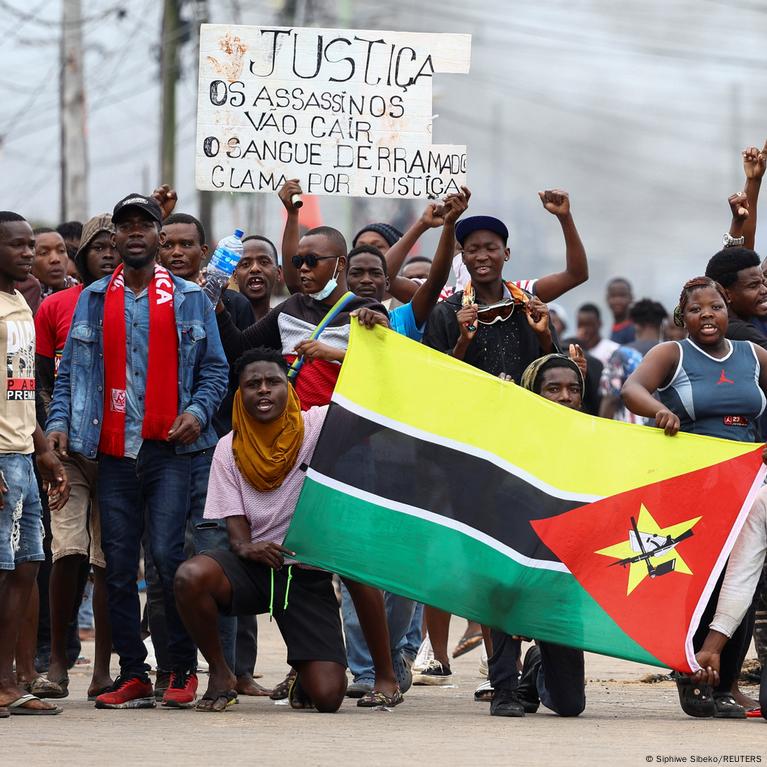

Maputo, Mozambique – Since the general elections on 9 October 2024, Mozambique has been grappling with a significant political crisis marked by protests, allegations of electoral irregularities, and clashes between demonstrators and security forces. Reports indicate that at least 72 people have lost their lives in the post-election violence, with over 100 others injured, putting immense pressure on the country’s already strained healthcare system.
The international community has voiced growing concern over the unfolding crisis. Portugal’s President, Marcelo Rebelo de Sousa, commented: “We are following developments in Mozambique with great concern and urge all parties to exercise restraint and seek peaceful solutions to the current impasse.” The Southern African Development Community (SADC) has echoed this sentiment, condemning the violence and urging Mozambican authorities to prioritise national reconciliation and stability.
President Filipe Nyusi has invited opposition leaders, including the RENAMO and PODEMOS parties, to engage in talks aimed at resolving the post-election tensions. However, opposition figures have expressed scepticism about the prospects of meaningful outcomes, citing concerns over political bias and systemic issues within the electoral process.
The ongoing unrest has not only led to a growing humanitarian crisis but has also shaken investor confidence, impacting Mozambique’s economy.
According to reports, businesses in major cities have faced significant disruptions, while international markets have reacted cautiously to the political instability.
Observers suggest that Mozambique’s path to recovery hinges on a commitment to transparent dialogue and structural reforms, particularly in the electoral system. As international pressure mounts, the government faces the challenge of balancing immediate conflict resolution with long-term stability measures. Whether Mozambique can overcome this crisis will depend on the willingness of all stakeholders to prioritise the nation’s peace and democratic integrity.