Angola’s Rivers: A missed opportunity for tourism development
- AngolaIn a NutshellSAUTITravel
- November 18, 2024

Luanda – November 17, 2024
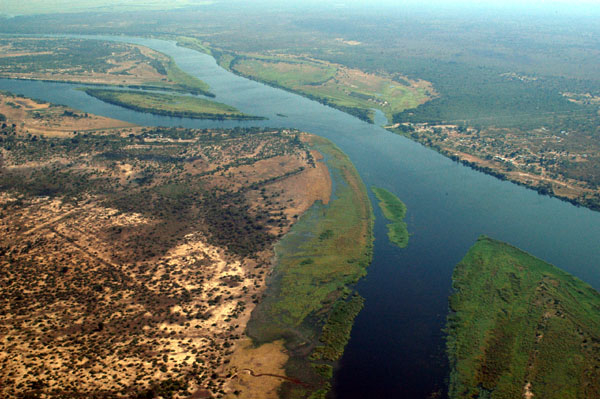
Angola is home to some of Africa’s most significant rivers, including the Kwanza, Cunene, Cubango, and Zambezi. These rivers have been a lifeline for the nation, supporting energy production, water supply, and agriculture. However, while the Ministry of Energy and Water has harnessed these resources effectively, the Ministry of Tourism has struggled to capitalize on their potential for tourism development.
The Ministry of Energy and Water has strategically invested in major hydropower projects, transforming rivers into powerful tools for national development. Key initiatives include:
Laúca Hydropower Plant: Generating 2,070 MW since 2017, it stands as the largest hydroelectric project in Angola.
Capanda Hydropower Plant: Producing 520 MW, it remains crucial for energy supply in the northern regions.
Caculo Cabaça Project: Set to add 2,172 MW upon completion, with an investment of $4.5 billion.
These projects have significantly improved energy access, with 43% of the population now connected to the grid, according to government statistics. Additionally, water supply programs such as the “Water for All” initiative have allocated $2.2 billion to bring potable water to 12 million rural residents by 2030.
In contrast, the Ministry of Tourism has made limited progress in leveraging Angola’s rivers for tourism. Despite their natural beauty and cultural significance, rivers like the Kwanza and Cubango have not been developed into tourist destinations. Proposed opportunities include:
River cruises on the Kwanza River, combining ecological exploration with cultural immersion.
Ecotourism along the Cubango River, part of the Okavango Basin, offering safaris and birdwatching.
Sport fishing on the Cuando and Cunene Rivers, appealing to international outdoor enthusiasts.
However, Angola’s tourism sector faces significant barriers, including inadequate infrastructure, limited international promotion, and insufficient investment. The sector received just 2% of the national budget in 2023, compared to 8% allocated to energy and water.
While the energy sector has attracted billions in investment, tourism remains underfunded. Between 2020 and 2024, foreign direct investment in tourism totaled a mere $200 million. Analysts argue that greater collaboration between the energy and tourism ministries could unlock the rivers’ full potential. Initiatives such as developing hydropower plants like Laúca into tourist attractions with visitor centers and observation decks could generate additional revenue.
Experts suggest integrating tourism into Angola’s broader economic diversification strategy. “Angola’s rivers are not just for energy production; they represent a missed opportunity for sustainable tourism and job creation,” says a tourism development consultant.
With Angola aiming to reduce its dependence on oil, unlocking the tourism potential of its rivers could be a step toward broader economic growth. Collaboration between ministries, alongside increased investment and international partnerships, could position Angola as a top African tourism destination.
While Angola’s Ministry of Energy and Water has set a benchmark in resource utilization, the Ministry of Tourism lags behind. Transforming rivers into multi-purpose assets will require strategic planning, investment, and inter-ministerial cooperation. The untapped potential of Angola’s rivers could hold the key to a more diversified and sustainable economy.