Egypt’s foreign currency windfall strengthens economic recovery as reserves hit US$53 billion
- Economic
- June 7, 2026
 Save as PDF
Record remittances, rising foreign exchange reserves and strategic investments reinforce Cairo’s economic position
CAIRO — Egypt is emerging as one of Africa’s most closely watched economic recovery stories as record remittance inflows, rising foreign exchange reserves and large-scale foreign investments strengthen the country’s external financial position.
AfricaHeadline Reports Team
editorial@africaheadline.com
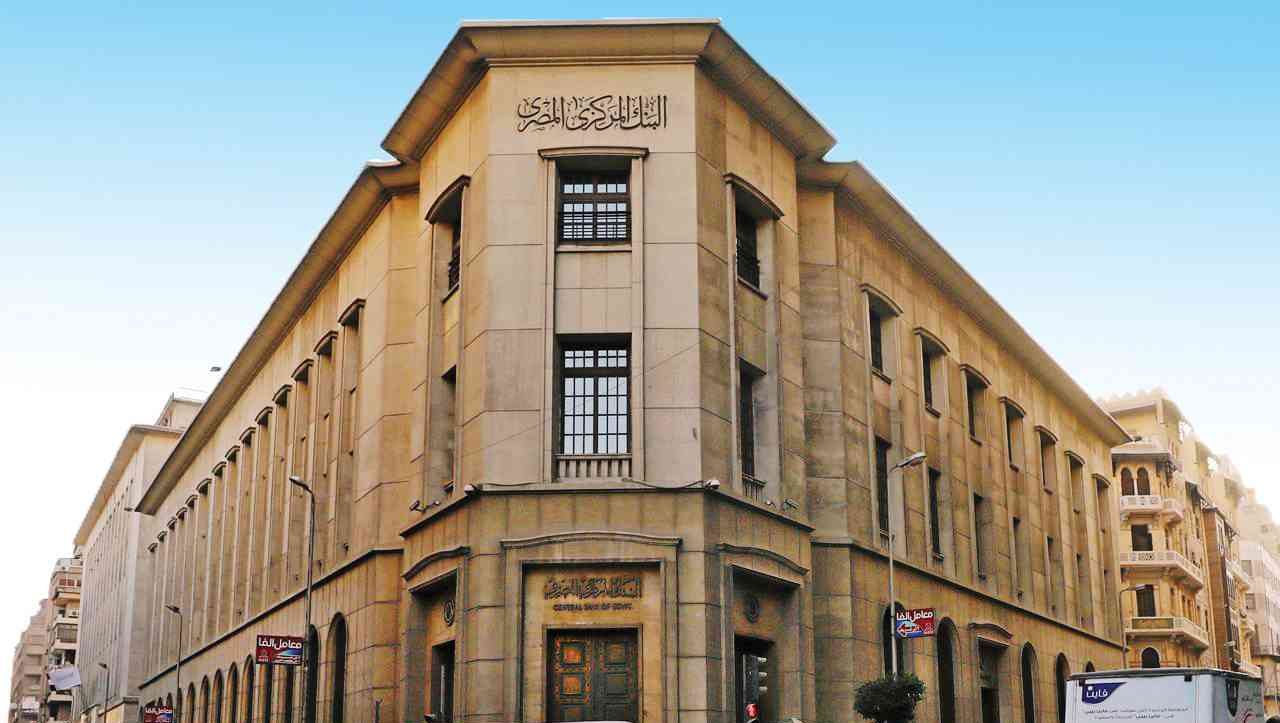
New data released by the Central Bank of Egypt (CBE) show that Net International Reserves (NIR) climbed to US$53.0 billion at the end of April 2026, marking one of the highest levels in the country’s history. The increase coincides with a surge in remittances from Egyptians working abroad, which reached US$34.9 billion during the first nine months of the 2025/2026 fiscal year, reinforcing Egypt’s status as one of Africa’s largest recipients of foreign currency inflows.
The figures provide fresh evidence that Egypt’s economic reform programme, exchange-rate adjustments and efforts to attract foreign capital are beginning to translate into stronger macroeconomic fundamentals.
Remittances become Egypt’s most reliable source of foreign currency
The standout figure in the latest data is the remarkable performance of remittances.
According to the Central Bank, Egyptians working abroad transferred US$34.9 billion during the first nine months of FY2025/2026, compared with approximately US$22 billion in FY2022/2023 and around US$29 billion in FY2024/2025.
The increase reflects one of the fastest recoveries in remittance inflows among emerging markets.
With Egypt’s GDP estimated at approximately US$380-400 billion, remittances now represent nearly 9 percent of national output, making them one of the country’s most important sources of foreign exchange alongside tourism, exports, foreign direct investment and Suez Canal revenues.
Economists note that the return of foreign currency through official banking channels suggests growing confidence among expatriate Egyptians following exchange-rate reforms and monetary policy measures implemented over the past two years.
The significance extends beyond macroeconomic statistics. Remittances directly support millions of households, strengthen domestic consumption and provide critical liquidity to the banking system.
Foreign exchange reserves reach Historic Levels
The increase in Egypt’s international reserves to US$53.0 billion represents another milestone in the country’s economic stabilisation efforts.
Compared with levels recorded in 2025, reserves have expanded significantly, strengthening Egypt’s ability to absorb external shocks and meet international financial obligations.
The reserve accumulation improves the country’s capacity to finance imports, support exchange-rate stability and reassure international investors during periods of global market volatility.
Within Africa, Egypt now ranks among the continent’s leading holders of foreign exchange reserves.
Africa’s major foreign exchange reserve holders
| Country | Estimated Reserves |
|---|---|
| Algeria | US$65-70 billion |
| South Africa | US$60-63 billion |
| Egypt | US$53 billion |
| Morocco | US$38-40 billion |
| Angola | US$15-17 billion |
The figures underline Egypt’s growing financial resilience and its importance within Africa’s economic landscape.
Tourism and the Suez Canal continue to generate billions
The strengthening of Egypt’s external accounts is not solely dependent on remittances.
Tourism remains one of the country’s largest foreign currency earners.
The sector has recovered strongly following the pandemic years, attracting more than 15 million visitors annually and generating revenues estimated at over US$15 billion per year.
Meanwhile, the Suez Canal continues to serve as one of the world’s most strategically important trade routes.
Although shipping disruptions linked to tensions in the Red Sea have affected traffic volumes in recent periods, the canal remains a critical contributor to Egypt’s foreign currency earnings and a cornerstone of global maritime commerce.
Combined, remittances, tourism and Suez Canal revenues form a powerful trio of foreign exchange generators supporting Egypt’s balance of payments.
Foreign Investment adds momentum
Another major driver of confidence has been the influx of foreign investment.
The landmark US$35 billion Ras El Hekma development agreement with investors from the United Arab Emirates ranks among the largest investment transactions ever recorded in Africa.
The project has strengthened investor confidence and demonstrated international appetite for large-scale opportunities within Egypt’s economy.
Foreign direct investment has increasingly targeted sectors such as: Tourism and hospitality, Renewable energy, Logistics and ports, Manufacturing, Real estate development and Technology and digital services
These investments are expected to support job creation, infrastructure expansion and long-term economic diversification.
Balance of payments shows signs of improvement
The Central Bank’s latest Balance of Payments report indicates that Egypt’s external sector is becoming more balanced.
Higher remittances, stronger tourism revenues, increased investment inflows and export growth have helped offset external pressures associated with debt servicing and import demand.
For investors, the improvement is particularly significant because it comes at a time when many emerging economies continue to face elevated borrowing costs and slower global growth.
The data suggest that Egypt is gradually rebuilding its external buffers while maintaining access to international capital markets.
Challenges remain
Despite the positive indicators, Egypt still faces important structural challenges.
External debt remains above US$150 billion, making debt management a key policy priority.
Inflation, although moderating from previous peaks, continues to affect household purchasing power.
The government must also continue expanding private-sector participation, improving productivity and creating employment opportunities for a rapidly growing population.
These challenges will remain central to the sustainability of Egypt’s economic recovery.
Egypt’s strategic position in Africa
With a population of approximately 115 million people, a GDP approaching US$400 billion and one of the continent’s largest financial systems, Egypt occupies a unique position in Africa’s economic architecture.
The country serves as a gateway connecting Africa, the Middle East and Europe, while maintaining strategic influence across trade, logistics, finance and energy.
The strengthening of foreign exchange reserves, the surge in remittances and the return of large-scale investment flows provide Cairo with a stronger platform from which to pursue long-term growth objectives.
Key economic indicators
| Indicator | Latest Estimate |
|---|---|
| Population | 115 million |
| GDP | US$380-400 billion |
| Net International Reserves | US$53.0 billion |
| Remittances (9M FY2025/26) | US$34.9 billion |
| Tourism Revenue | >US$15 billion |
| Ras El Hekma Investment | US$35 billion |
| External Debt | >US$150 billion |
| Inflation | Moderating |
| Economic Growth | Approximately 4% |
A Stronger financial foundation
For much of the past decade, Egypt’s economic story has been defined by reforms, adjustments and efforts to restore macroeconomic stability.
The latest figures suggest those efforts are beginning to yield measurable results.
Record remittances of US$34.9 billion, foreign exchange reserves of US$53 billion, expanding investment flows and improving balance of payments dynamics point to a country gradually rebuilding financial resilience in an increasingly uncertain global economy.
For investors, policymakers and development institutions, the message is becoming clearer: Egypt is strengthening its position as one of Africa’s most significant economic powers and a key player in the continent’s next phase of growth.
__