João Lourenço’s economic diplomacy delivers results as non-oil FDI reaches a 13-Year high
- Economic
- June 19, 2026
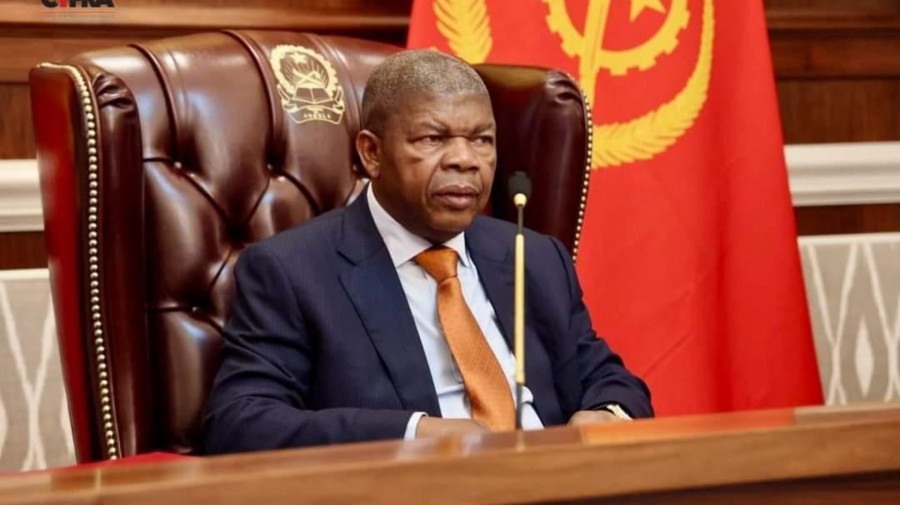

LAGOS – The US$959.4 million in non-oil Foreign Direct Investment (FDI) attracted by Angola in 2025 represents far more than a strong economic performance. It is tangible evidence that the economic diplomacy strategy championed by President João Lourenço is generating measurable results in the structural transformation of the Angolan economy.
According to preliminary data from the National Bank of Angola, non-oil FDI increased by 171.4% from US$353.5 million in 2024, reaching its highest level in thirteen years. At a time when emerging economies are competing aggressively for international capital, such a performance cannot be viewed as a coincidence.
Behind these figures lies a deliberate strategy to reposition Angola on the global investment map. Since taking office in 2017, President João Lourenço has placed economic diplomacy at the centre of the country’s engagement with international partners, transforming foreign relations into a platform for investment promotion, market access and strategic economic cooperation.
The recovery of investor confidence has been reinforced by a broad programme of reforms aimed at improving the business environment, strengthening transparency, modernising the regulatory framework and enhancing economic predictability. Equally important has been the strengthening of investment facilitation mechanisms, with institutions such as the Angola Private Investment and Export Promotion Agency (AIPEX) playing an increasingly relevant role in connecting international investors with opportunities across the productive sectors of the economy.
The macroeconomic stability achieved in recent years, combined with a more investor-oriented institutional framework, has helped channel capital towards agriculture, manufacturing, logistics, mining, tourism and services, sectors that are central to Angola’s diversification agenda.
The latest figures suggest that Angola is gradually building a more diversified and resilient economy, less dependent on oil revenues. More importantly, they demonstrate that the international credibility earned through President João Lourenço’s reform agenda, supported by an increasingly effective investment promotion architecture, is translating into tangible investment flows and long-term economic opportunities.
The US$959.4 million recorded in 2025 is therefore more than a financial statistic. It is a market-driven validation of Angola’s strategy of stability, reform, institutional strengthening and economic diversification.