South Africa unveils sweeping crackdown on illegal immigration as President warns against vigilantism
- Politics
- June 26, 2026
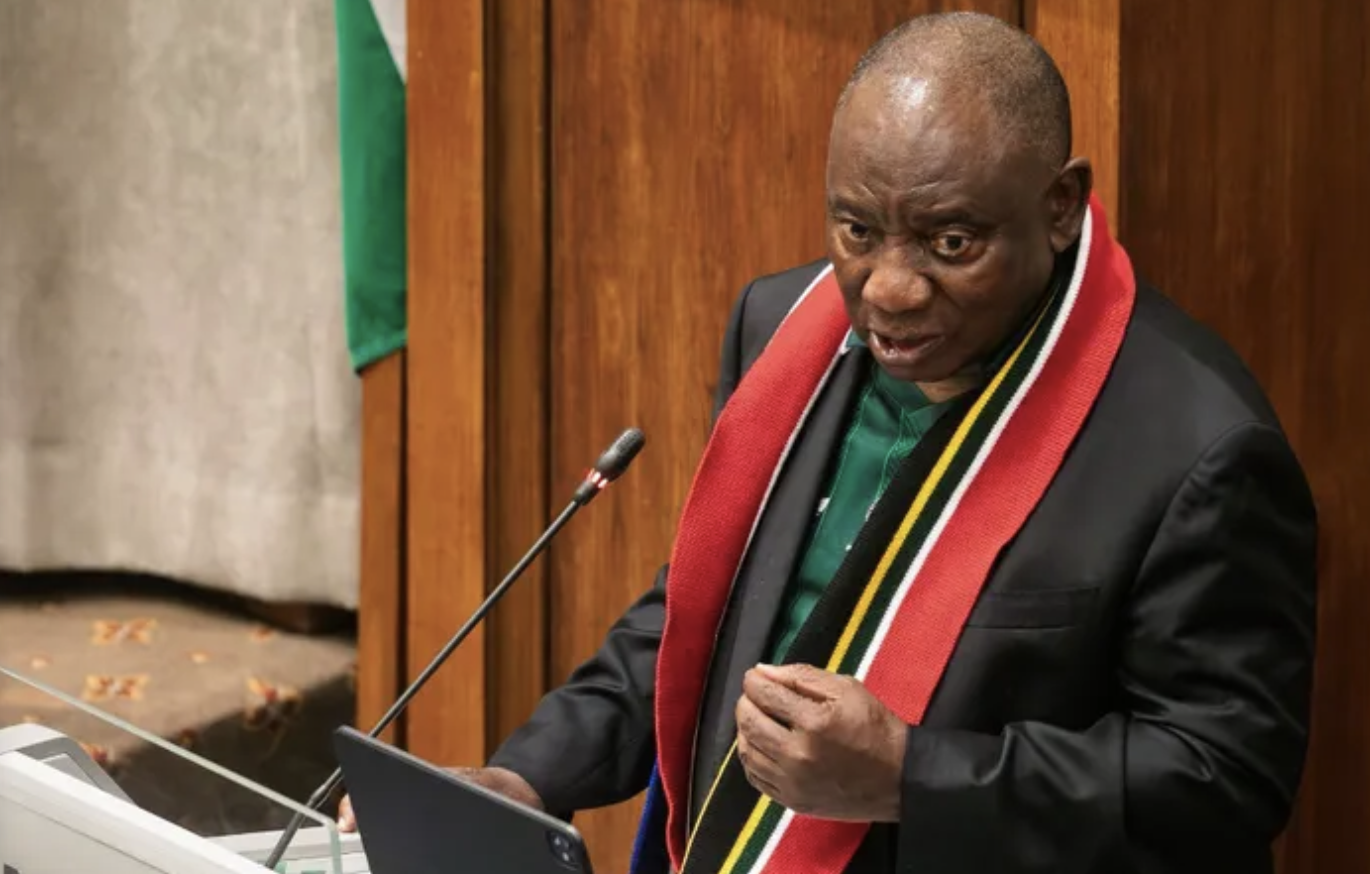

JOHANNESBURG — South African President Cyril Ramaphosa announced one of the country’s most comprehensive overhauls of immigration management in years, pledging tougher border controls, stronger enforcement against undocumented migration and harsher penalties for employers who hire foreign nationals illegally, while warning citizens not to take the law into their own hands.
Addressing the National Council of Provinces, Ramaphosa described illegal immigration as a growing challenge affecting national security, public services and social cohesion. His government, he said, has adopted a comprehensive migration strategy aimed at strengthening border management while ensuring that enforcement remains consistent with South Africa’s constitutional and international human rights obligations.
The strategy, approved earlier this month, combines stricter law enforcement with long-term reforms of the country’s immigration system. Authorities plan to increase deportation operations against undocumented migrants, expand workplace inspections and impose tougher sanctions on businesses that violate labour and immigration laws. Labour authorities are expected to recruit thousands of additional inspectors over the next three years, subject to available funding.
Government officials also announced plans to modernise South Africa’s identity management system by replacing vulnerable green identity books with biometric digital identification and expanding electronic travel authorisation systems at major airports and land border crossings. Refugee reception centres will gradually be relocated closer to border posts, while six of the country’s busiest ports of entry are scheduled for major infrastructure upgrades.
Despite the tougher measures, Ramaphosa stressed that immigration enforcement remains the exclusive responsibility of the state.
The President issued a direct warning against vigilante groups or private citizens attempting to verify immigration documents or target foreign nationals, saying such actions are unlawful and risk fuelling xenophobia. He reiterated that all enforcement operations must respect human dignity, constitutional protections and South Africa’s international commitments regarding refugees and asylum seekers.
Migration, however, was only one part of a broader address that touched on organised crime, corruption and economic reform.
Ramaphosa said the government continues to investigate criminal infiltration within the South African Police Service and other state institutions through the Madlanga Commission of Inquiry, whose final report is expected later this year. Interim findings have already resulted in specialised investigative teams, disciplinary processes and closer cooperation between police and prosecutors.
The government has also intensified its campaign against organised crime by launching a National Illicit Economy Disruption Programme targeting illegal mining, counterfeit goods, fuel smuggling, illicit tobacco and other forms of economic crime that officials say cost the country billions of rand annually and undermine legitimate businesses.
On employment, Ramaphosa defended South Africa’s labour protections while acknowledging concerns over the exploitation of undocumented foreign workers. He argued that employers who rely on vulnerable migrant labour often do so to avoid complying with minimum wage legislation and workplace protections rather than because South African workers are less productive.
The President also reaffirmed South Africa’s foreign policy of strategic non-alignment, saying Pretoria would continue engaging with global powers including the United States, China, Russia and fellow BRICS members based on national interests while maintaining its commitment to diplomacy, multilateralism and peaceful conflict resolution.
Turning to domestic development, Ramaphosa highlighted the government’s District Development Model as a key instrument to coordinate national, provincial and municipal investment in infrastructure, housing and local economic development. The programme seeks to improve service delivery by aligning planning and budgeting across all spheres of government, particularly in districts facing high levels of poverty and unemployment.
The announcements come as South Africa faces mounting public pressure over rising unemployment, organised crime and concerns surrounding undocumented migration. Analysts say the success of the government’s new strategy will depend not only on stronger enforcement but also on sustained regional cooperation through the Southern African Development Community (SADC) and the African Union to address the economic and political drivers of migration across the region.