Angola adds 281,500 employed workers as unemployment falls to 20.9%
- AngolaEconomic
- November 13, 2026
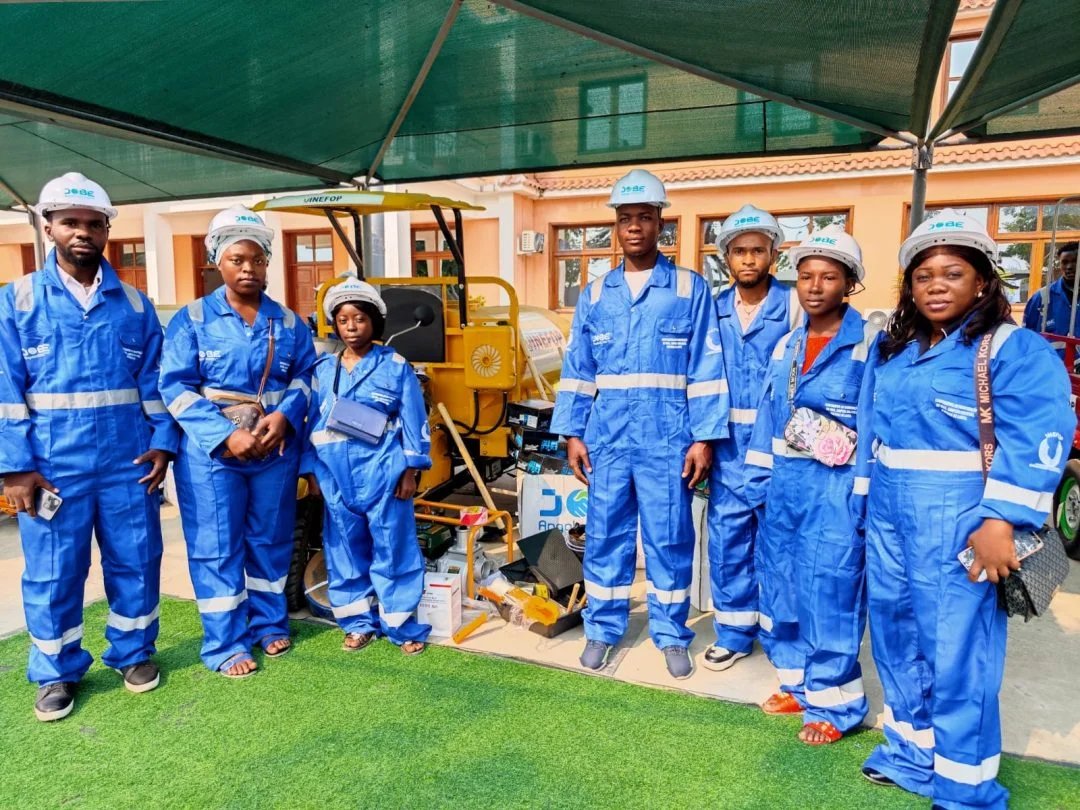

According to the National Statistics Institute (INE), the number of employed people increased 2.8 per cent quarter on quarter, from 10.17mn to 10.45mn, while the unemployment rate fell from 21.5 per cent to 20.9 per cent.
The number of unemployed people declined by 23,362 to 2.77mn, while the employment-to-population ratio rose from 44.2 per cent to 45.1 per cent.
The figures suggest improving labour market participation, although the net increase in employment does not necessarily represent an equivalent number of newly created formal jobs.
Trade and agriculture underpin employment
Angola’s labour market remains heavily dependent on commerce and agriculture, two sectors central to the country’s broader economic diversification ambitions.
Wholesale and retail trade accounted for 30.5 per cent of total employment, followed by agriculture, forestry and fishing at 26.3 per cent. Together, these activities supported 56.8 per cent of employed workers.
Yet structural vulnerabilities remain significant.
Informal employment increased to 8.43mn people, representing 80.6 per cent of the employed population, up from 80.1 per cent in the previous quarter.
Youth unemployment among those aged 15 to 24 declined from 40.5 per cent to 39.3 per cent, but remained substantially above the national average.
Gender disparities also persisted, with unemployment among women at 22.4 per cent compared with 19.5 per cent among men.
More broadly, labour underutilisation stood at 45.1 per cent, reflecting unemployment, insufficient working hours and people with a potential attachment to the labour market.
The findings highlight a central challenge for Angola’s economic transformation: translating employment growth into more productive, formal and sustainable jobs.
Expanding vocational training, supporting small businesses and strengthening private-sector investment will be critical to improving labour market outcomes, particularly for young people and women.