Côte d’Ivoire: the $110bn economy seeking to reshape West Africa’s economic landscape
- Economic OutlookIvory Coast (Côte d'Ivoire)
- November 27, 2026

AFRICAHEADLINE | ECONOMIC & FINANCIAL INTELLIGENCE
Special Report — Africa Economic Outlook 2026
Alassane Ouattara is betting on monetary stability, agricultural industrialisation, oil expansion and private capital to transform Côte d’Ivoire into a regional economic, financial and logistics powerhouse.
ABIDJAN — Côte d’Ivoire is pursuing one of West Africa’s most ambitious economic transformation programmes. After more than a decade of sustained expansion, the country is seeking to move beyond its historical dependence on agricultural commodity exports towards a more diversified, industrialised economy integrated into international capital markets.
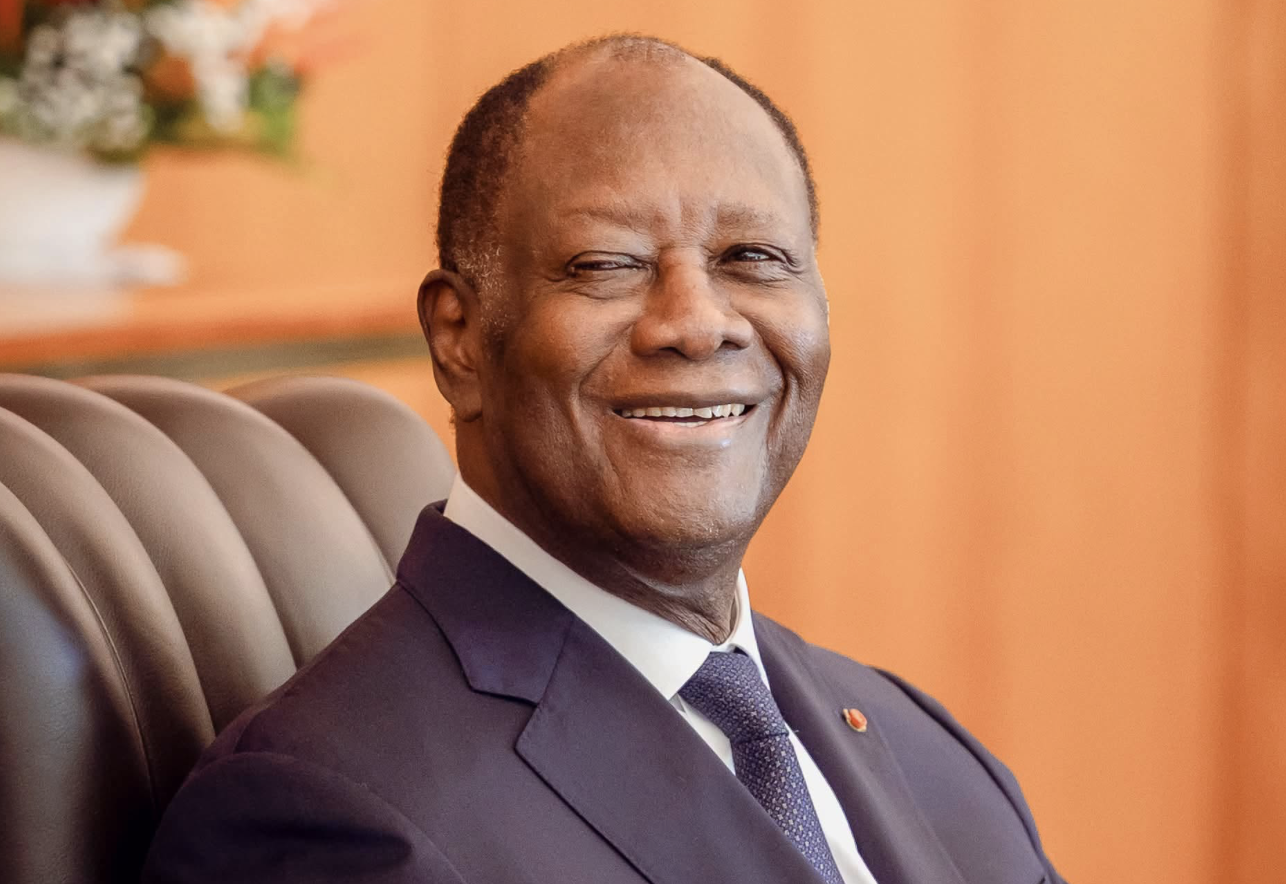
Under President Alassane Ouattara, a former senior International Monetary Fund official and former governor of the Central Bank of West African States (BCEAO), the country’s economic strategy combines fiscal discipline, monetary stability, infrastructure investment, industrial development and foreign capital mobilisation.
Abidjan’s ambitions extend beyond gross domestic product growth. Côte d’Ivoire’s commercial capital is seeking to consolidate its position as a regional financial, industrial and logistics hub, competing with Lagos, Accra and Dakar for investment, market access and economic influence.
A $110bn economy
According to the IMF’s October 2026 World Economic Outlook, Côte d’Ivoire’s nominal GDP is projected to reach $110.45bn this year, with an estimated population of 33.84mn and GDP per capita of $3,260.
In purchasing power parity terms, the economy is expected to reach $294.18bn in international dollars, with GDP per capita rising to $8,690.
Real GDP growth is forecast at approximately 6 per cent in 2026, supported by non-oil economic expansion of 6.02 per cent and real GDP per capita growth of 3.05 per cent. Investment is projected to account for approximately 21.3 per cent of GDP.
The consistency of economic expansion has become one of Côte d’Ivoire’s principal competitive advantages. Government figures indicate that the economy grew by an annual average of 6.5 per cent between 2021 and 2025, strengthening the country’s fiscal capacity and expanding its domestic consumer market.
Ouattara’s $209bn development strategy
The National Development Plan for 2026–2030 represents the cornerstone of Côte d’Ivoire’s economic transformation.
Presented on May 22 2026 by planning and development minister Souleymane Diarrassouba, the programme outlines an investment portfolio worth approximately $209bn, almost twice the size of the country’s current nominal GDP.
The private sector is expected to provide 70.2 per cent of the required financing, equivalent to $146.71bn, while public investment is projected to account for the remaining 29.8 per cent, or $62.29bn.
The government is targeting average annual economic growth of 7.2 per cent, GDP per capita of $4,500 and a reduction in the national poverty rate to below 20 per cent by 2030.
The plan was approved by the Council of Ministers on February 4, the National Assembly on April 14 and the Senate on May 5, providing an institutional framework for its implementation.
According to the European Bank for Reconstruction and Development’s November 2026 Transition Report, Côte d’Ivoire has already secured financing commitments equivalent to €72.9bn for the programme. These commitments, however, should not be confused with actual capital disbursements.
The scale of anticipated private-sector participation makes the programme particularly dependent on institutional credibility, legal certainty, regulatory efficiency and the commercial viability of individual projects.
Monetary stability as a competitive advantage
Côte d’Ivoire benefits from a regional monetary architecture administered by the BCEAO, which oversees monetary policy across eight West African economies.
Average annual inflation declined from 4.4 per cent in 2023 to 3.4 per cent in 2024 and approximately 0.1 per cent in 2025. The IMF’s October 2026 projections put average inflation at 2.2 per cent this year, with year-end inflation expected to reach 2.3 per cent.
The CFA franc’s fixed exchange rate of 655.957 francs to the euro provides a degree of predictability for businesses trading with European markets, reduces certain currency risks and supports long-term financial planning.
The monetary union’s pooled international reserves increased from the equivalent of 3.5 months of imports in 2023 to seven months in 2025, exceeding eight months of import coverage by June 2026.
The improvement strengthens the region’s ability to withstand external shocks, although membership of the monetary union limits individual governments’ autonomy over interest rates and exchange-rate policy.
For international investors, this monetary framework offers a degree of predictability that remains relatively uncommon across emerging African markets.
Banking, liquidity and private-sector financing
Bank credit to Côte d’Ivoire’s private sector expanded by 16.2 per cent in 2023, 11.5 per cent in 2024 and 13.3 per cent in 2025.
The IMF’s June 2026 macroeconomic framework forecasts credit growth of 8.4 per cent this year, slowing to 5.5 per cent in 2027.
Broad money growth accelerated from 14.2 per cent in 2024 to 23.8 per cent in 2025, before an anticipated moderation to 10.1 per cent in 2026 and 8.3 per cent in 2027.
The projected slowdown in lending warrants attention as Côte d’Ivoire seeks to finance industrial projects, small and medium-sized enterprises, commercial agriculture and technology-driven businesses.
Greater banking liquidity does not automatically translate into productive investment. Lending costs, collateral requirements, credit quality and loan maturities will determine the financial system’s ability to support industrial expansion.
Abidjan also benefits from hosting the Regional Securities Exchange (BRVM), which provides companies and governments across the monetary union with alternative sources of capital and strengthens the city’s position as a regional financial centre.
Fiscal consolidation and debt sustainability
Ouattara’s administration has sought to balance development expenditure with the preservation of sovereign financial credibility.
The fiscal deficit narrowed from 5.1 per cent of GDP in 2023 to 4 per cent in 2024 and 3 per cent in 2025.
The IMF forecasts a temporary widening to 3.8 per cent in 2026, equivalent to approximately $4.2bn, before an anticipated return to the regional fiscal ceiling of 3 per cent by 2028.
Public debt is projected to reach 57.8 per cent of GDP in 2026, equivalent to approximately $63.84bn.
The primary fiscal deficit is expected to stand at 1.32 per cent of GDP. The difference between the primary and overall balances implies net interest expenditure of approximately 2.5 per cent of GDP, or around $2.8bn.
The scale of these financing costs underlines the importance of strengthening domestic revenue mobilisation, improving public expenditure efficiency and prioritising infrastructure projects capable of generating measurable economic and social returns.
Although public debt remains below the monetary union’s 70 per cent ceiling, debt sustainability will ultimately depend on borrowing costs, repayment schedules, fiscal revenues and the productivity of public investment.
Sovereign credibility and international capital markets
On June 24 2026, the IMF completed the final reviews of Côte d’Ivoire’s economic and financial programmes, alongside an improvement in its assessed risk of debt distress to the low-risk category.
The country’s financing authorities attributed the improvement to fiscal consolidation, stronger domestic revenue mobilisation and liability management operations designed to reduce near-term repayment pressures.
The government’s medium-term projections envisage a reduction in public debt to approximately 45 per cent of GDP by 2031.
In December 2025, Fitch Ratings upgraded Côte d’Ivoire’s sovereign credit rating to BB, with a stable outlook. S&P Global Ratings has also assigned the country a long-term sovereign rating of BB.
While both ratings reflect improving sovereign creditworthiness, they remain below investment grade, leaving external borrowing costs exposed to shifts in global interest rates and investor sentiment.
Cocoa: moving beyond commodity exports
Côte d’Ivoire remains the world’s largest cocoa producer, occupying a strategic position in the international chocolate supply chain.
According to the socioeconomic dashboard published on November 6 2026 by the National Statistics Agency (ANSTAT), cocoa production reached 879,819 tonnes during the first half of 2026, an increase of 58.6 per cent year on year, supported by improved agricultural yields and more favourable weather conditions.
Cashew nut production reached 1.3mn tonnes during the same period, despite a year-on-year decline of 4.4 per cent.
Higher agricultural output, however, does not necessarily translate into higher rural incomes.
The guaranteed farmgate price for cocoa fell from CFA2,800 per kilogramme during the main 2025–2026 season to CFA1,200 for the 2026–2027 campaign, a decline of approximately 57.1 per cent.
The adjustment highlights Côte d’Ivoire’s exposure to international commodity price cycles and reinforces the economic rationale for domestic processing.
The government is seeking to expand production of cocoa butter, liquor, powder, chocolate and other derivatives, allowing domestic industries to capture a greater share of the value generated across the global supply chain.
The World Bank has also highlighted progress in cashew processing, where processed-product exports reportedly account for more than 30 per cent of national production.
The broader industrial strategy extends to natural rubber, palm oil, coffee and cotton, with the objective of increasing domestic value added, strengthening export revenues and generating industrial employment.
Manufacturing gains momentum
Industrial production expanded by 1.6 per cent during the first half of 2026, while manufacturing output increased by 4.1 per cent, according to ANSTAT.
Petroleum refining and coking activities grew by 21.8 per cent, while industrial food production expanded by 9.4 per cent.
The figures suggest a gradual shift in the composition of industrial activity, with manufacturing outperforming overall industrial production.
The expansion of agro-industrial facilities could reduce import dependence, strengthen domestic supply chains and create opportunities for local companies specialising in machinery, packaging, engineering, logistics and technology.
For Côte d’Ivoire, the economic objective is increasingly defined by the value generated from each tonne of domestically produced raw materials rather than simply the volume exported.
Oil and gas: a new economic frontier
The hydrocarbons industry is becoming an increasingly important component of Côte d’Ivoire’s export diversification and fiscal strategy.
Crude oil production reached 11.58mn barrels during the first half of 2026, equivalent to approximately 64,000 barrels per day, representing year-on-year growth of 5 per cent.
Natural gas production reached 55.94mn MMBtu, an increase of 5.3 per cent over the corresponding period.
The development of the Baleine offshore oil and gas field, operated by Italy’s Eni in partnership with state-owned Petroci, represents a major component of the country’s energy expansion.
Beyond export revenues, natural gas production has strategic implications for electricity generation, industrial competitiveness and energy security.
Greater integration between hydrocarbons production, power generation and manufacturing could help reduce energy-related production costs and improve the commercial viability of new industrial investments.
Reliable and competitively priced electricity will be particularly important as Côte d’Ivoire seeks to attract energy-intensive manufacturing businesses.
Mining and the management of strategic wealth
Gold production reached 28.83 tonnes during the first half of 2026, a year-on-year decline of 4.9 per cent. Manganese and nickel production contracted by 45.2 per cent and 37 per cent respectively.
The figures reveal an uneven performance across the extractive industries, despite favourable medium-term prospects associated with new mining developments, including the Koné gold project.
On April 15 2026, the government approved the establishment of the Sovereign Fund for Strategic Development, known as FSD-CI, designed to convert part of the country’s natural resource revenues into long-term financial and economic assets.
The initiative seeks to reduce fiscal exposure to commodity price volatility while preserving national wealth for future generations.
Its effectiveness will depend on governance standards, investment transparency, fiscal rules and the institutional separation between short-term government financing needs and long-term wealth management objectives.
Abidjan’s logistics and commercial ambitions
Commercial activity expanded by 6.5 per cent during the first half of 2026, while turnover in non-financial market services increased by 8 per cent.
Maritime cargo volumes rose by 8.3 per cent, supported by activity at the ports of Abidjan and San Pedro.
Commercial air passenger traffic increased by 5.2 per cent, while air freight volumes remained relatively stable at 17,335 tonnes.
These indicators reinforce the importance of trade, transport and logistics within Côte d’Ivoire’s economic structure.
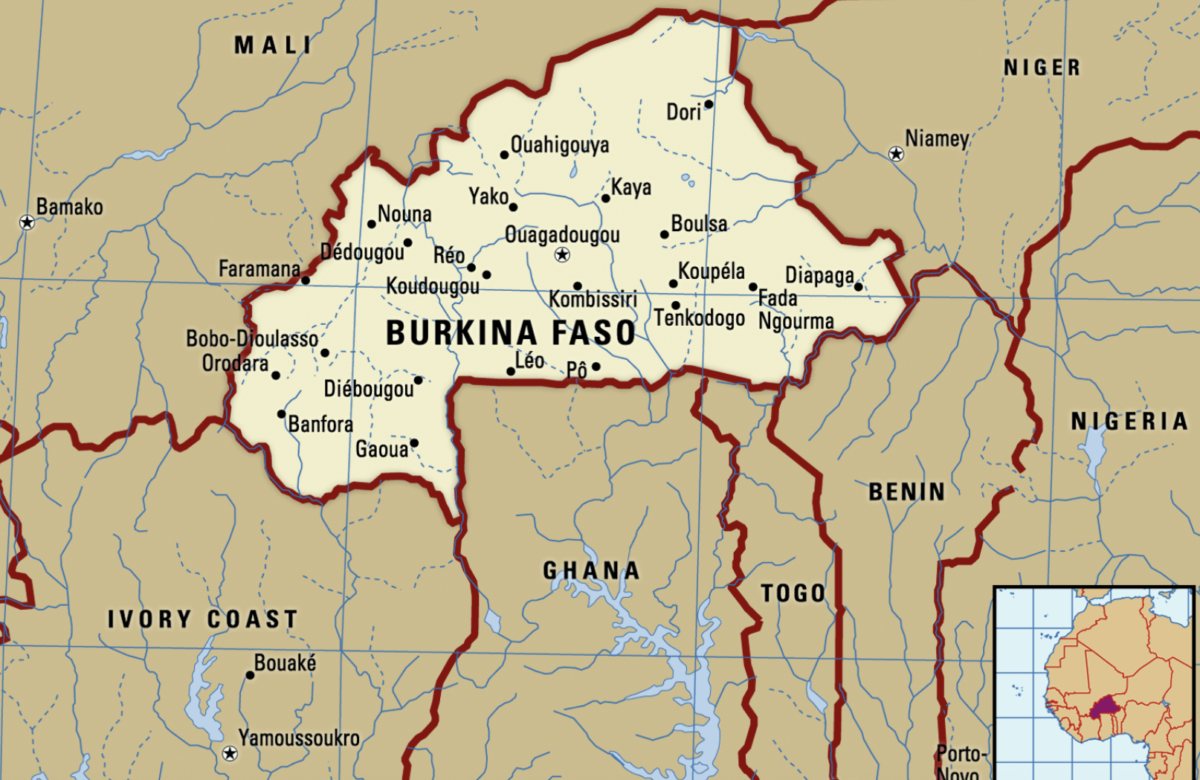
The country’s geographical position allows it to serve as a commercial gateway for landlocked economies, particularly Burkina Faso and Mali.
Investment in port infrastructure, railways, roads and logistics corridors could strengthen regional supply chains and reduce transportation costs, particularly as the African Continental Free Trade Area develops.
Abidjan’s ambition is to become not merely a transit hub but a centre for industrial processing, commercial distribution and regional financial services.
The competition for West Africa’s economic leadership
Côte d’Ivoire’s competitive position becomes more apparent when assessed against other African economies.
The IMF’s October 2026 projections put Ivorian economic growth at approximately 6 per cent, compared with 5.7 per cent in Ghana, 4.2 per cent in Nigeria and 4.5 per cent in Kenya, although below Benin’s projected expansion of 7 per cent.
Nigeria remains the largest economy among these countries, with nominal GDP estimated at $386.67bn, followed by Kenya at $151.15bn and Ghana at $128.64bn.
Côte d’Ivoire’s advantage lies in its combination of economic expansion and relatively low inflation.
Average inflation is projected at 2.2 per cent, compared with 4.8 per cent in Ghana, 6 per cent in Kenya and 15.6 per cent in Nigeria.
While Lagos benefits from the scale of Nigeria’s domestic market, Accra seeks to consolidate its macroeconomic recovery and Dakar is expanding its energy industry, Abidjan is developing a competitive strategy built around monetary integration, industrial processing and regional logistics.
Its ability to attract capital will depend less on market size alone than on institutional predictability, infrastructure quality and the efficiency of its business environment.
External balances and export competitiveness
Côte d’Ivoire’s external accounts have improved substantially in recent years.
The current account deficit narrowed from 8.1 per cent of GDP in 2023 to 4.5 per cent in 2024 and 0.6 per cent in 2025.
The IMF forecasts a widening to 2.4 per cent of GDP in 2026, equivalent to approximately $2.67bn, reflecting pressures from energy import costs and lower international cocoa prices.
The expansion of oil, mining and agro-industrial exports could help reduce external imbalances over the medium term.
However, sustainable improvements in the balance of payments will also require greater domestic productivity and commercially viable import substitution, particularly across food, energy and manufactured goods.
Foreign investment and business environment reforms
According to the Ministry of Planning and Development, foreign direct investment increased 2.6-fold between 2021 and 2025.
The new development programme seeks to build on this momentum by directing private capital towards productive industries rather than relying excessively on government expenditure.
The strategy encompasses land administration reforms, streamlined administrative procedures, tax modernisation, greater legal certainty and improved corporate financing mechanisms.
Electronic invoicing and the digitalisation of tax administration could broaden the revenue base without necessarily increasing the tax burden on businesses already operating within the formal economy.
For international investors, Côte d’Ivoire offers a combination of monetary stability, regional market access and an expanding consumer base.
Nevertheless, administrative constraints, project execution risks and regulatory uncertainties remain important considerations.
The BCEAO and regional financial integration
At its September 9 2026 meeting in Dakar, chaired by governor Jean-Claude Kassi Brou, the BCEAO’s Monetary Policy Committee maintained its benchmark policy rate at 3 per cent, its marginal lending rate at 5 per cent and commercial banks’ reserve requirement ratio at 3 per cent.
The central bank forecasts economic growth of 6.1 per cent across the monetary union in 2026, alongside average inflation of 1 per cent.
Regional private-sector credit expanded by 6.6 per cent in June, a separate indicator from Côte d’Ivoire’s national credit growth projections.
The BCEAO’s October economic outlook also indicated an improvement in interbank financing conditions.
The weighted average interbank interest rate across all maturities declined to 3.99 per cent in September 2026, compared with 4.94 per cent a year earlier.
The reduction of 95 basis points reflects more favourable financing conditions between commercial banks, although the extent to which these improvements reach businesses and households will depend on lending practices and credit risk assessments.
Four million jobs and the fight against poverty
Social development represents a central component of the National Development Plan for 2026–2030.
According to the World Bank, the programme targets the creation of four million decent jobs, a substantial reduction in poverty and progress towards upper-middle-income status by 2035.
With a population approaching 34mn, Côte d’Ivoire requires economic expansion capable of absorbing a rapidly growing workforce.
Available social indicators illustrate the scale of the challenge.
The national poverty rate stood at 37.5 per cent in 2021, while life expectancy reached 62 years in 2023. The Gini index, which measures income inequality, stood at 35.3 in 2021.
The government aims to increase life expectancy to 65 years, double formal employment and reduce poverty below 20 per cent by 2030.
Achieving these objectives will require sustained investment in education, healthcare, vocational training, housing, water supply, sanitation and electricity access.
Manufacturing will play a particularly important role because of its potential to generate employment across production, equipment maintenance, transportation, distribution and specialised business services.
The extent to which economic growth translates into higher household incomes will ultimately determine the social sustainability of Côte d’Ivoire’s development model.
Digital transformation and economic productivity
The digitalisation of public and private services offers another opportunity to improve national productivity.
The expansion of electronic payments, mobile wallets, digital banking and e-commerce platforms could facilitate the integration of small businesses into the formal economy.
For the government, digitalisation provides an opportunity to strengthen tax administration, reduce administrative costs and improve transaction transparency.
For businesses, it offers access to new markets, financial services and commercial opportunities previously concentrated in major urban centres.
However, technological transformation requires complementary investment in telecommunications infrastructure, cybersecurity, data centres, vocational training and digital skills.
Without these investments, the benefits of digitalisation risk remaining concentrated in Abidjan and other major cities, with limited impact on rural communities.
The risks behind Ouattara’s economic strategy
Despite favourable medium-term prospects, Côte d’Ivoire remains exposed to significant domestic and external risks.
Cocoa price volatility represents a direct threat to agricultural incomes. Higher international oil prices could support crude export revenues while simultaneously increasing fuel, transportation and industrial production costs.
Climate change threatens agricultural productivity, while political instability and security challenges across the Sahel could disrupt regional trade corridors and increase government security expenditure.
The development programme’s reliance on private investment represents both an opportunity and a vulnerability.
Should only 80 per cent of the anticipated $146.71bn in private investment materialise, the programme could face a financing shortfall of approximately $29.34bn over five years.
This illustrative scenario, rather than an official forecast, highlights the importance of actual capital mobilisation, project preparation and institutional execution capacity.
Additional public borrowing to compensate for insufficient private investment could undermine fiscal consolidation and debt reduction objectives.
The government will therefore need to balance its development ambitions with realistic financing assumptions and rigorous project selection.
Economic outlook: 2027–2031
Between 2027 and 2028, Côte d’Ivoire’s economic agenda is expected to focus on implementing the new development programme, expanding industrial and extractive activities and restoring the fiscal deficit to the regional ceiling of 3 per cent of GDP.
During 2029 and 2030, increased hydrocarbons production, new mining projects and greater domestic processing of agricultural commodities could further diversify exports and strengthen government revenues.
By 2031, a declining public debt ratio could create additional fiscal space for productive and social investment, provided fiscal discipline and expenditure efficiency are maintained.
The IMF’s medium-term outlook envisages average economic growth of approximately 6.6 per cent, compared with the government’s more ambitious target of 7.2 per cent under its five-year development programme.
The difference between these projections reflects the importance of structural reforms, investment mobilisation and implementation capacity.
From agricultural powerhouse to industrial economy
Côte d’Ivoire is entering a consequential phase in its economic development.
The country combines sustained economic growth, monetary stability, improving sovereign credibility, agricultural resources, expanding energy production and regional logistics capabilities.
With a nominal economy projected to exceed $110bn and a development programme valued at approximately $209bn, Ouattara is seeking to establish the foundations of a more diversified and industrialised economic structure.
The success of this transformation will depend less on the scale of announced investment commitments than on the government’s ability to convert them into operational factories, competitive businesses, diversified exports, formal employment and rising living standards.
Côte d’Ivoire’s experience could offer important lessons for African economies seeking to move beyond commodity dependence. Macroeconomic stability provides the conditions for investment, industrialisation increases domestic value creation, and productive employment determines how widely the benefits of growth are distributed.
Côte d’Ivoire’s ambition is no longer simply to produce and export more. It is to reposition itself within global value chains, retain a greater share of the wealth generated by its natural resources and establish a more sustainable foundation for national prosperity.