Africa’s tax gap puts gender reform at the centre of domestic revenue drive
- Economic Outlook
- September 16, 2026
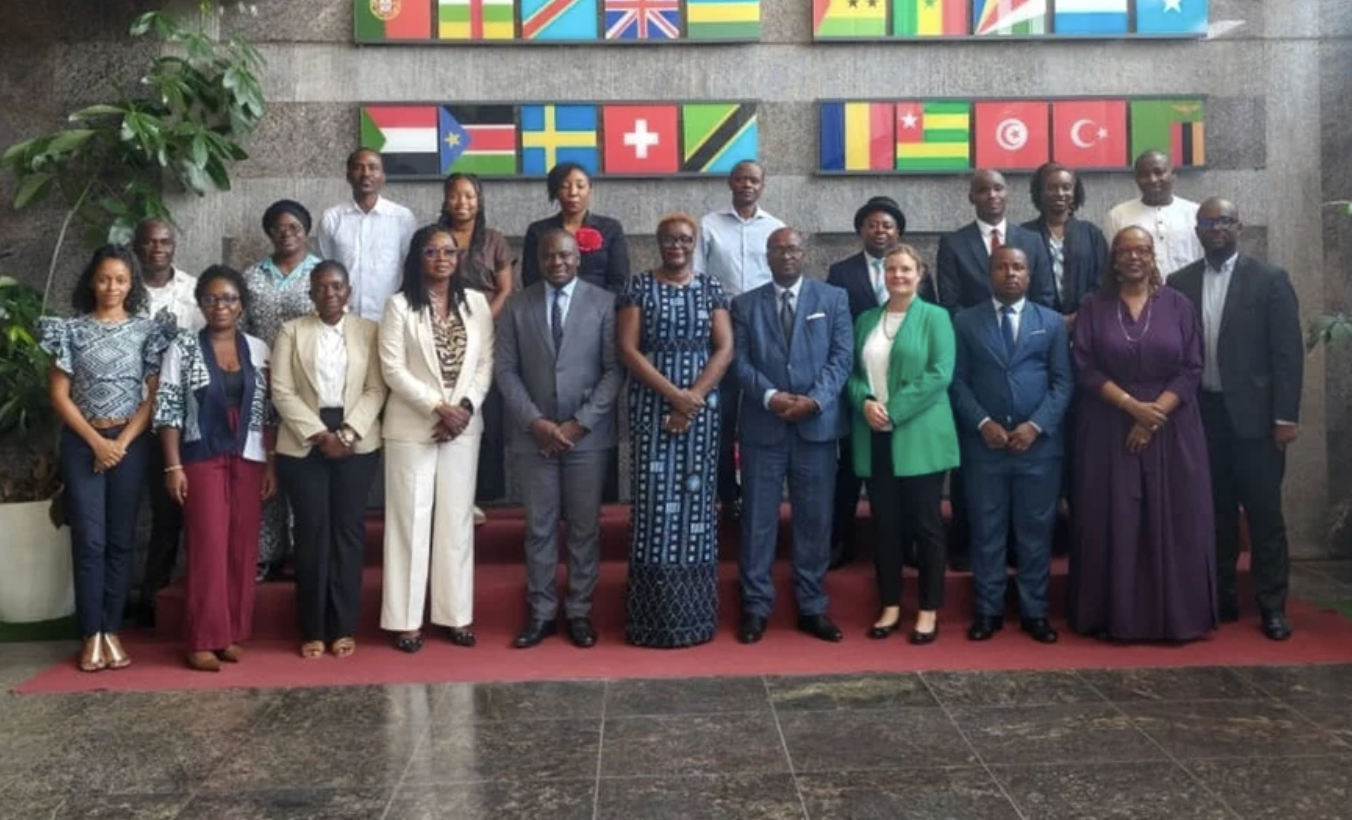

ABIDJAN — African policymakers are increasingly linking tax reform to gender equality as governments seek to expand domestic revenue without placing disproportionate burdens on the continent’s large informal workforce.
The African Development Bank (AfDB) and the African Tax Administration Forum (ATAF) used a 7 September seminar in Abidjan to call for tax systems that better account for the different economic realities of women and men. The issue is significant because informal employment represents about 86% of total employment in Africa, rising to 89.2% among employed women, compared with 82% for men.
The fiscal challenge is equally substantial, Africa’s tax revenue increased in nominal terms from roughly $100 billion in the early 2000s to almost $450 billion in the early 2020s, yet tax revenue fell from around 18–20% of GDP to 13.4% in 2024. Only 11 African countries exceeded a 20% tax-to-GDP ratio that year.
That gap represents both a constraint and a potential source of financing. The AfDB estimates that Africa could mobilise an additional $1.43 trillion in domestic resources through better tax and non-tax collection, efficiency gains and reduced leakages.
For women-owned informal businesses, the design of presumptive taxes, market levies and formalisation procedures can therefore influence whether taxation becomes an incentive to enter the formal economy or an additional cost of doing business. The AfDB and ATAF argue that gender-sensitive systems can improve compliance while broadening the tax base.
The representation of women inside tax administrations remains another structural issue. ATAF data cited by the AfDB show that women occupied only 27% of executive positions in African tax administrations in 2022.
The debate comes as African governments face rising financing requirements. The AfDB estimates the continent needs about $1.3 trillion annually to meet the Sustainable Development Goals by 2030, equivalent to roughly 42% of projected GDP in 2023.
The emerging policy argument is therefore broader than gender: making taxation more responsive to women could also become part of Africa’s strategy to widen the formal economy, improve compliance and finance development from domestic resources.