Tunisia’s inflation climbs above 5% as rising food prices deepen cost-of-living crisis
- Economic
- June 26, 2026
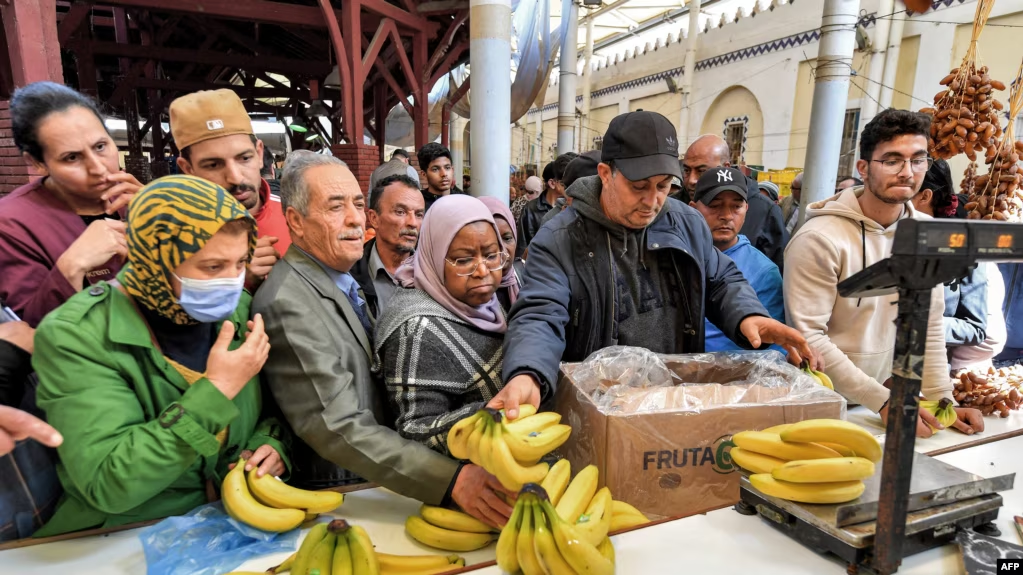

TUNIS, Tunisia — Tunisia’s inflation rate rose above 5% last month, driven largely by soaring food prices, adding fresh pressure on households already struggling with high unemployment and a slowing economic recovery.
The latest figures underscore the growing burden on consumers, as food costs continue to outpace overall inflation amid persistent supply chain disruptions and allegations that intermediaries are inflating prices before goods reach local markets.
For many Tunisians, the rising cost of basic necessities has become an everyday challenge.
While authorities have introduced measures aimed at stabilizing food supplies and containing prices, inflation continues to erode purchasing power, particularly for lower-income families. The situation is especially acute in Tunisia’s inland regions, where unemployment remains significantly higher than in the country’s more prosperous coastal cities.
The worsening cost-of-living crisis has fueled public frustration.
Recent protests across several parts of the country have featured slogans denouncing soaring food prices, declining living standards and the lack of economic opportunities, particularly for young people. Demonstrators say inflation is increasingly outpacing wages, making it harder for families to afford essential goods.
Economists warn that Tunisia faces a difficult balancing act.
Beyond global inflationary pressures, structural weaknesses, including inefficient distribution networks, supply bottlenecks and price distortions caused by multiple intermediaries, continue to drive up the cost of food. At the same time, persistently high unemployment is limiting household incomes and weighing on domestic demand.
The economic challenges come as Tunisia continues to navigate fiscal constraints while pursuing broader economic reforms aimed at restoring investor confidence and securing external financial support.
Analysts say that unless supply chain inefficiencies are addressed and job creation accelerates, inflation is likely to remain one of the country’s most pressing economic and political challenges.
For millions of Tunisians, however, the crisis is measured less by economic indicators than by the rising price of everyday essentials, turning the weekly trip to the market into a growing financial strain.